There are wines created for special occasions and others that are part of everyday life. Dolcetto belongs to the latter family.
It's the wine that accompanies a lunch with friends, a dinner at a trattoria, or the return from work in the fields. In the Bormida Valley, it continues to represent a daily gesture, capable of expressing the bond between people and the landscape that surrounds them.
The vineyards follow the rhythm of the hills
Around Bubbio, vineyards coexist with hazelnut groves, woods, and small cultivated plots. The landscape slowly changes, following the natural contours of the hills, and each row seems to find its own space without disrupting the balance of the land.

Here, Dolcetto grows on soils that benefit from good exposure and a breezy climate, characteristics that accompany the even ripening of the grapes and produce wines with a fresh, balanced and pleasantly fruity character.
Walking through these hills, you understand that vines are not just a crop, but an integral part of the landscape. The vineyards line the villages, bordering paths and farmhouses, and continue to tell a long agricultural story that is still part of everyday life in the valley today.
A wine born to be shared
Dolcetto doesn't need special occasions.
It's a wine that comes to the table effortlessly, pairing well with local dishes without overpowering them. It pairs easily with cured meats, farm-fresh cheeses, traditional first courses, and dishes that showcase the simplicity of Piedmontese cuisine.
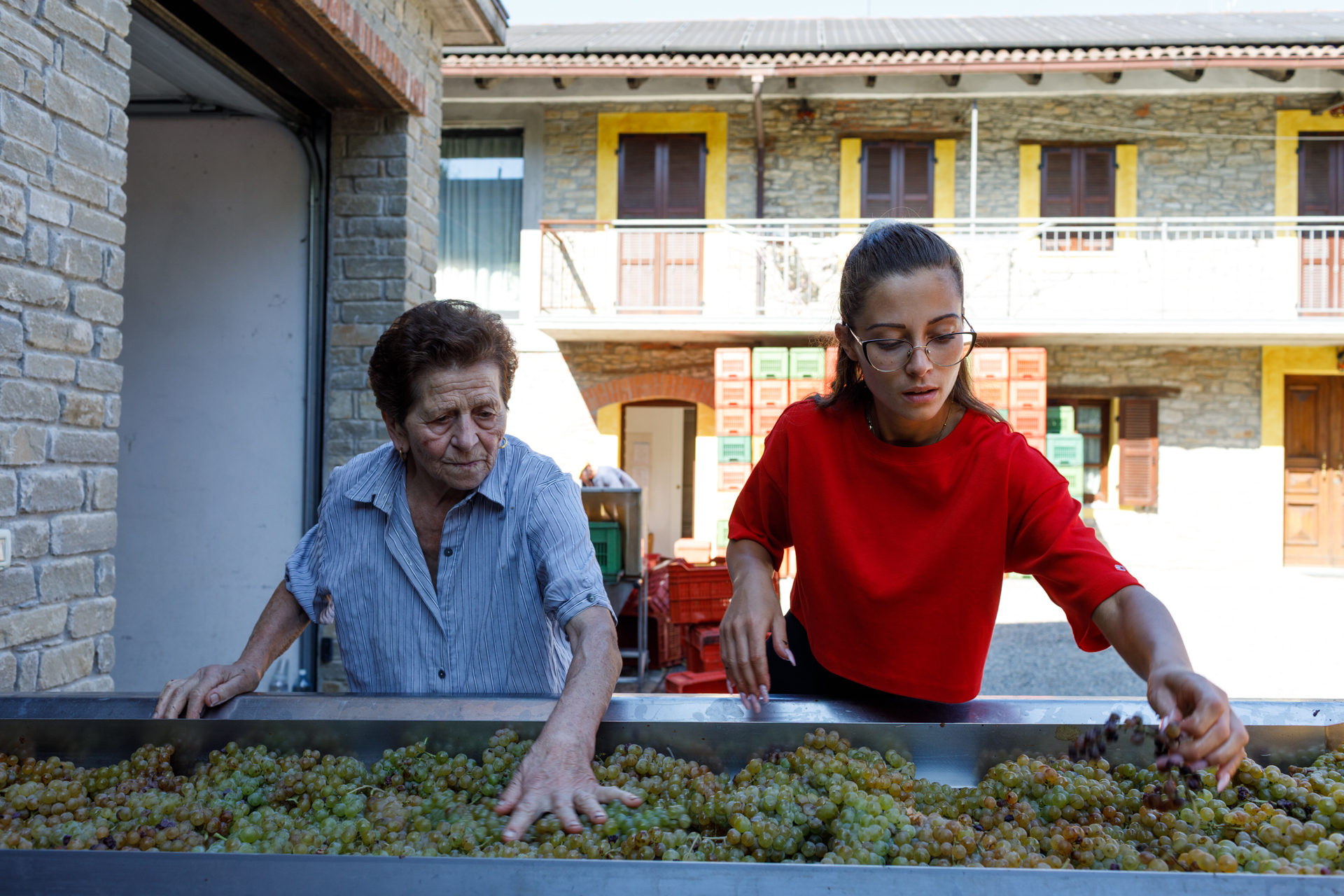
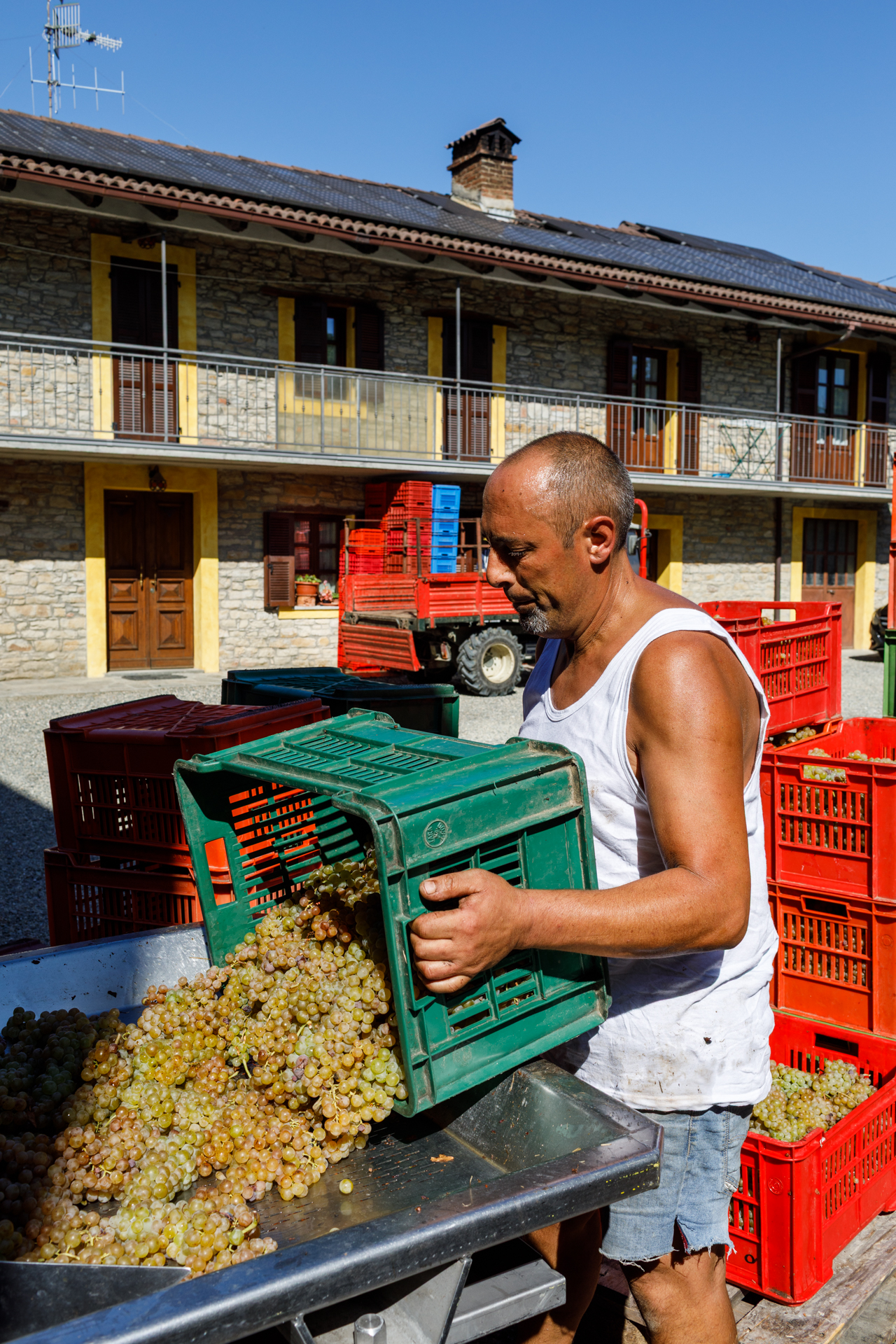
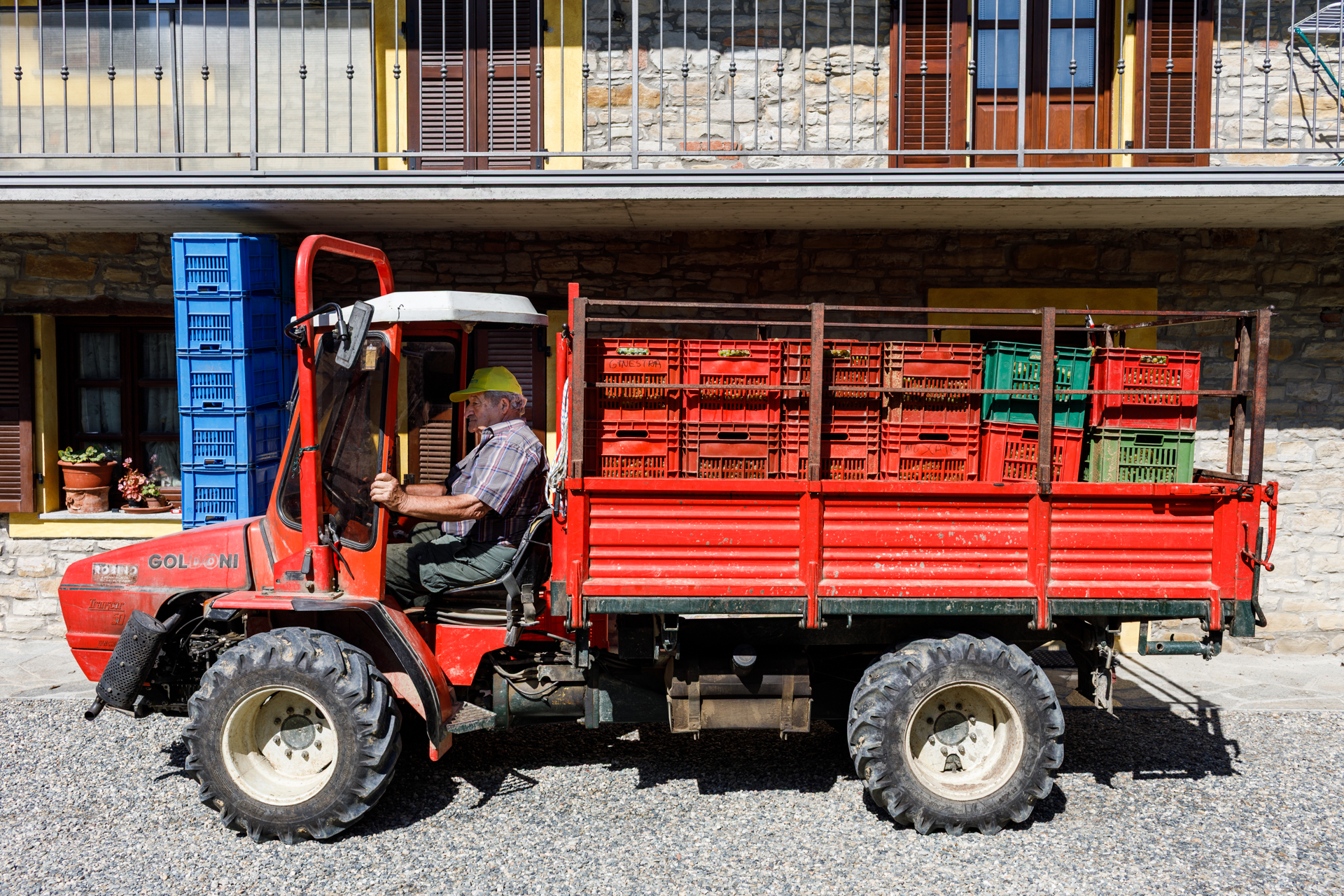
In the small wineries of the Bormida Valley, production still retains a family dimension. The vineyards are tended directly by those who cultivate them, and each harvest represents the moment when an entire season's work comes to fruition.
This closeness between vineyard, cellar, and table makes Dolcetto a wine deeply rooted in its terroir. It's not just the result of a production technique, but the expression of a culture that lives on through its people.


The taste of a valley that remains authentic
For those who choose to live in the Bormida Valley, Dolcetto quickly becomes part of everyday life. It's easy to encounter it in trattorias, at village festivals, at open wineries, or directly from the farms that produce and sell their own wine.
It's a wine that invites conviviality, but also the discovery of a region that continues to maintain a sincere connection with its agriculture. Each glass speaks of carefully cultivated hills, small wineries, and a community that has chosen to preserve the value of relationships over numbers.
Ultimately, this is its most valuable characteristic. It doesn't try to amaze. It accompanies. Just like the Bormida Valley.
Dolcetto doesn't just tell the story of a harvest. It tells the story of the pleasure of sitting at the table and feeling part of a place.