In this valley linking Piedmont with Liguria, the river divides the two districts of San Michele and San Pantaleo are separated by the river, but united by bridges and shared memories.
Under the mediaeval porticoes, you feel like you are stepping back in time, with the stone columns, carved entrances, and noble palaces that tell of a history of wealth and trade, when the valley was criss-crossed with salt trading routes. Cortemilia is a crossroads, and the importance of its strategic position is still evident in its compact urban layout.
The humble hazelnut, the symbol of the Alta Langa area, represents both tradition and modernity. Piedmont hazelnuts have protected PGI status, reflecting how they have shaped both the landscape and how it is farmed, from groves of trees to artisanal workshops, and bakeries. The two halves of the town, separated by the Uzzone river, are united by a metal bridge, a symbol of connection


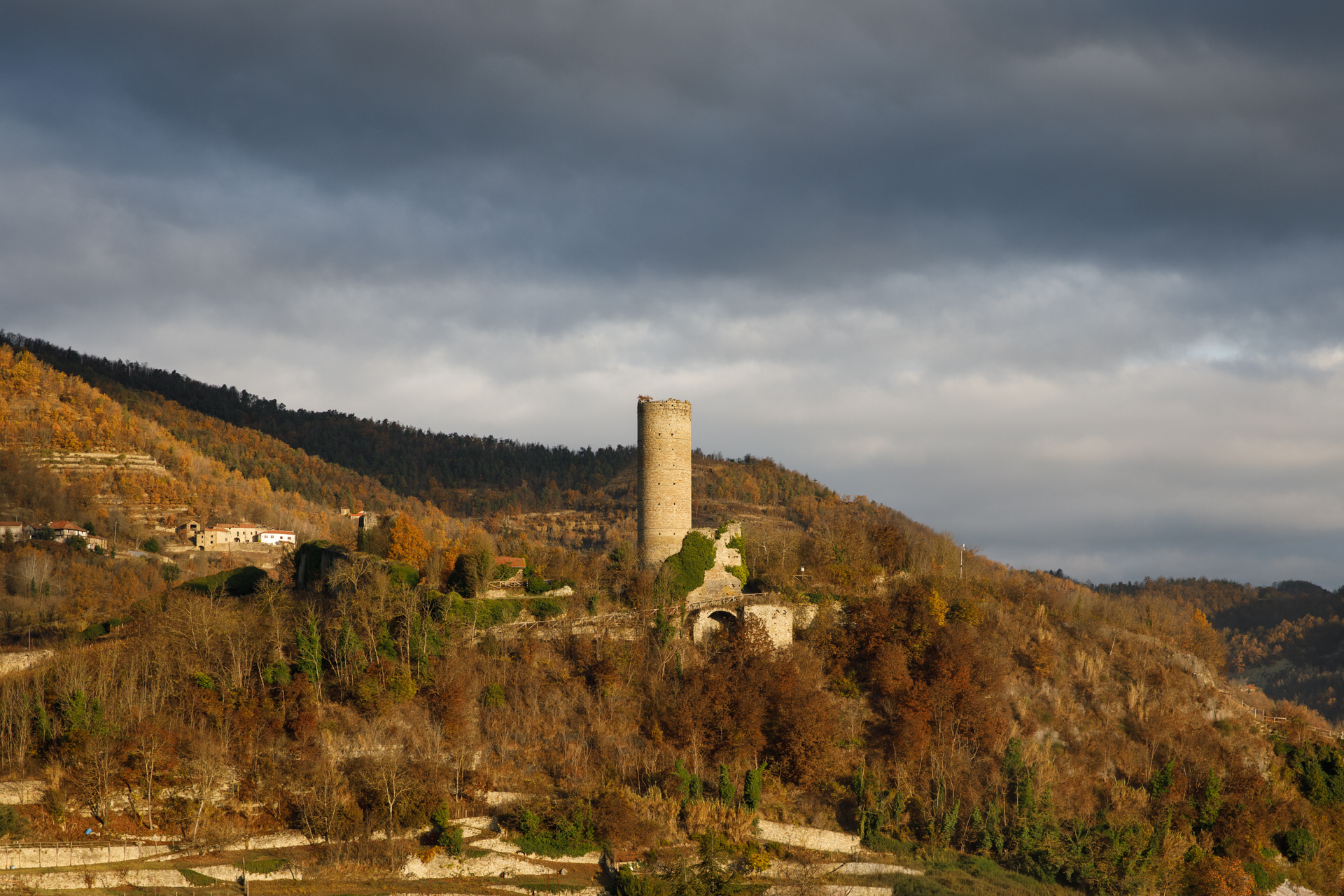
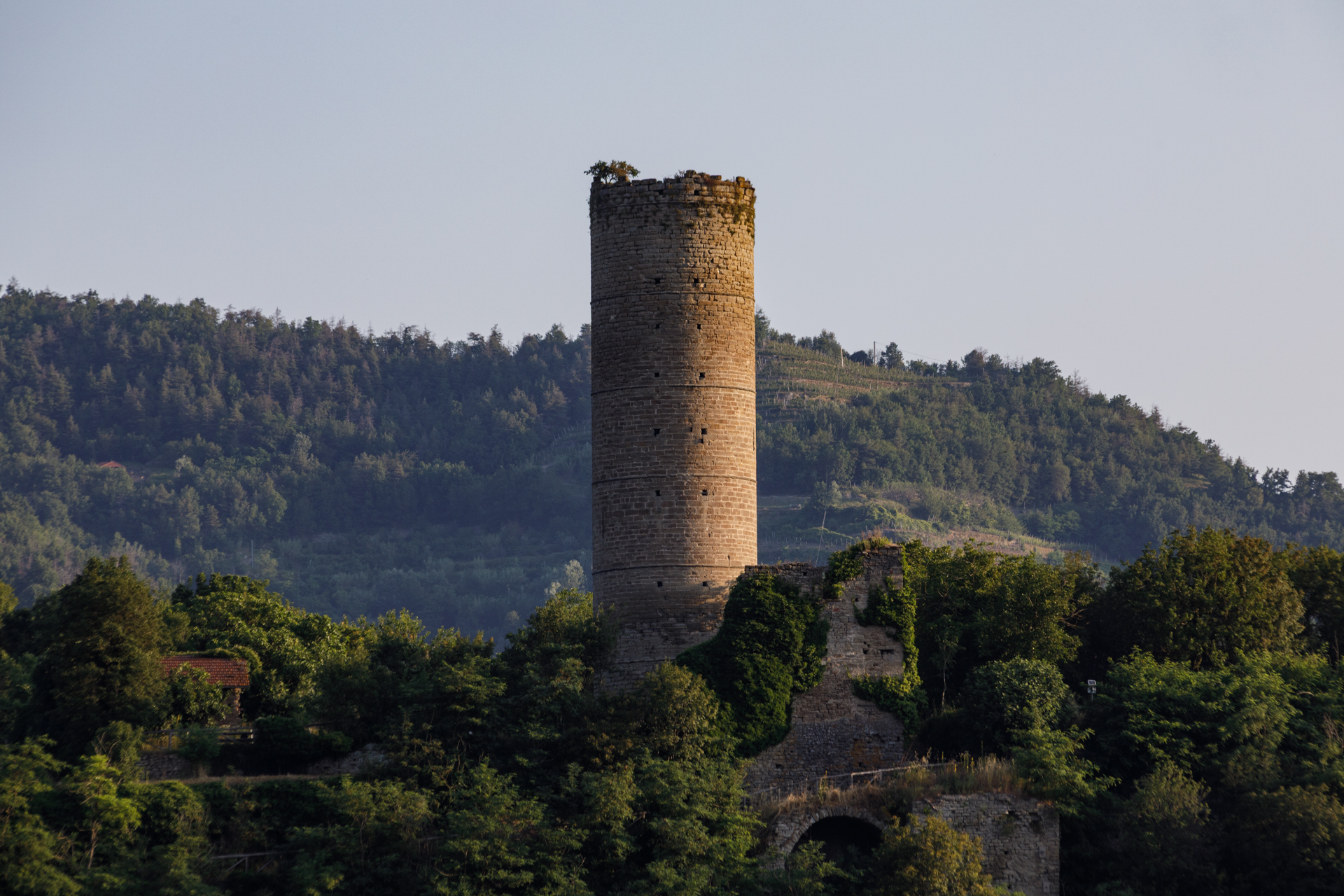
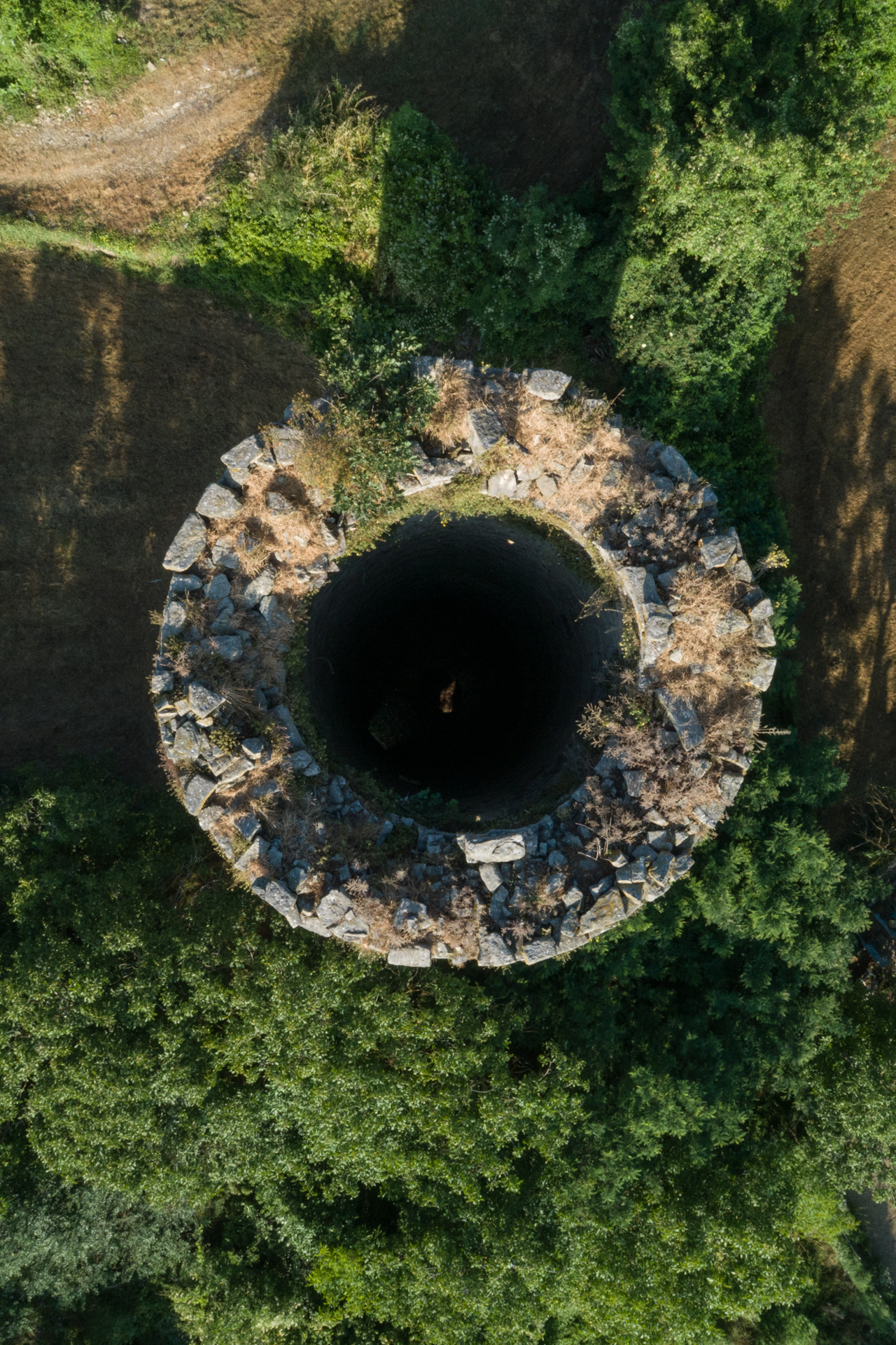
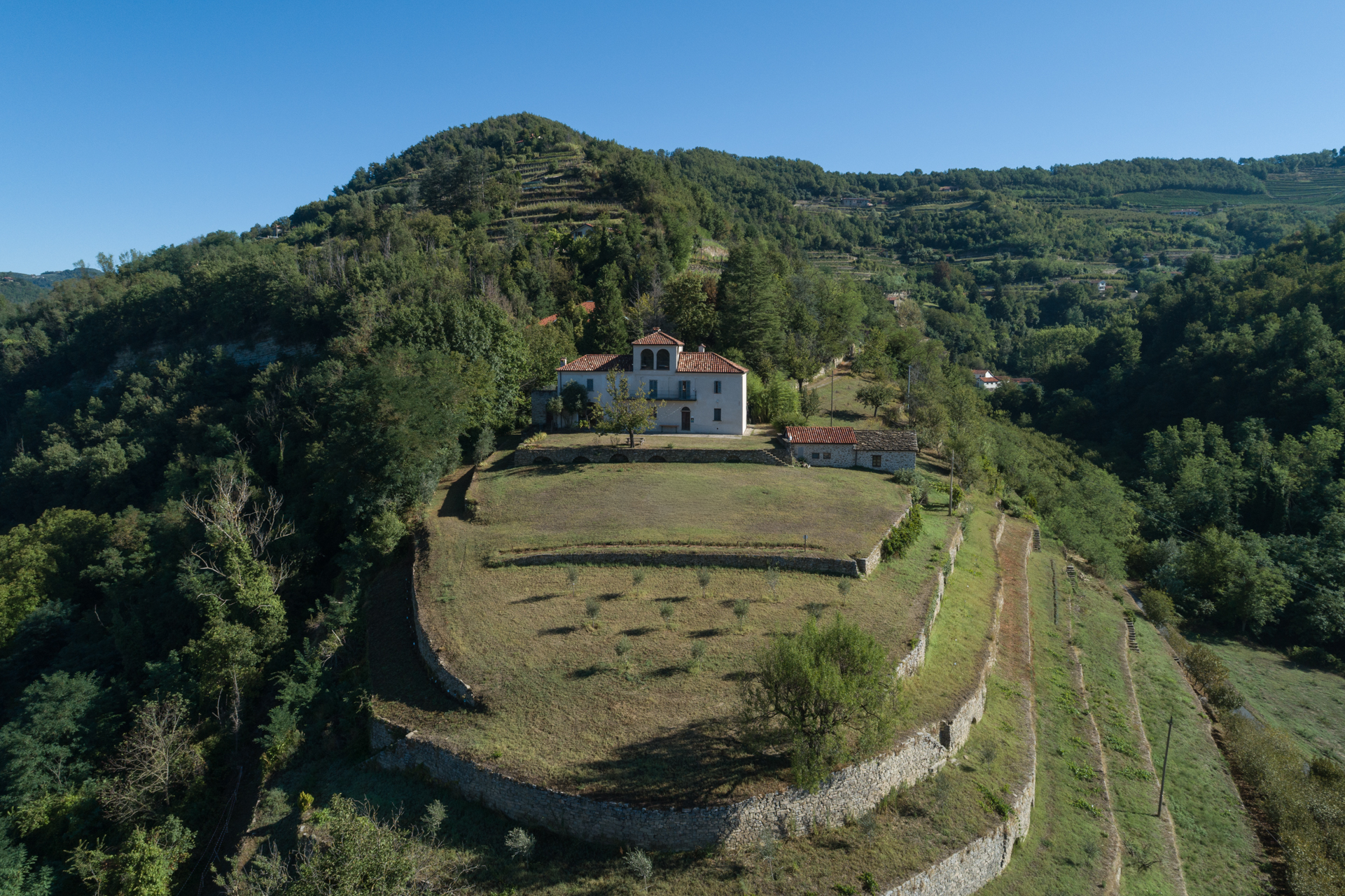
Above the town stand the ruins of the castle, its cylindrical tower telling the story of centuries of battles for control of the valley. Further up the slopes of Monte Oliveto, you can see the stone terraces covered with vines, the result of many decades of collective work and local know-how. The ‘Ecomuseo dei Terrazzamenti e delle Vite’ (Ecomuseum of Terraces and Vines) now offers visitors a chance to learn more about this ancient craft.


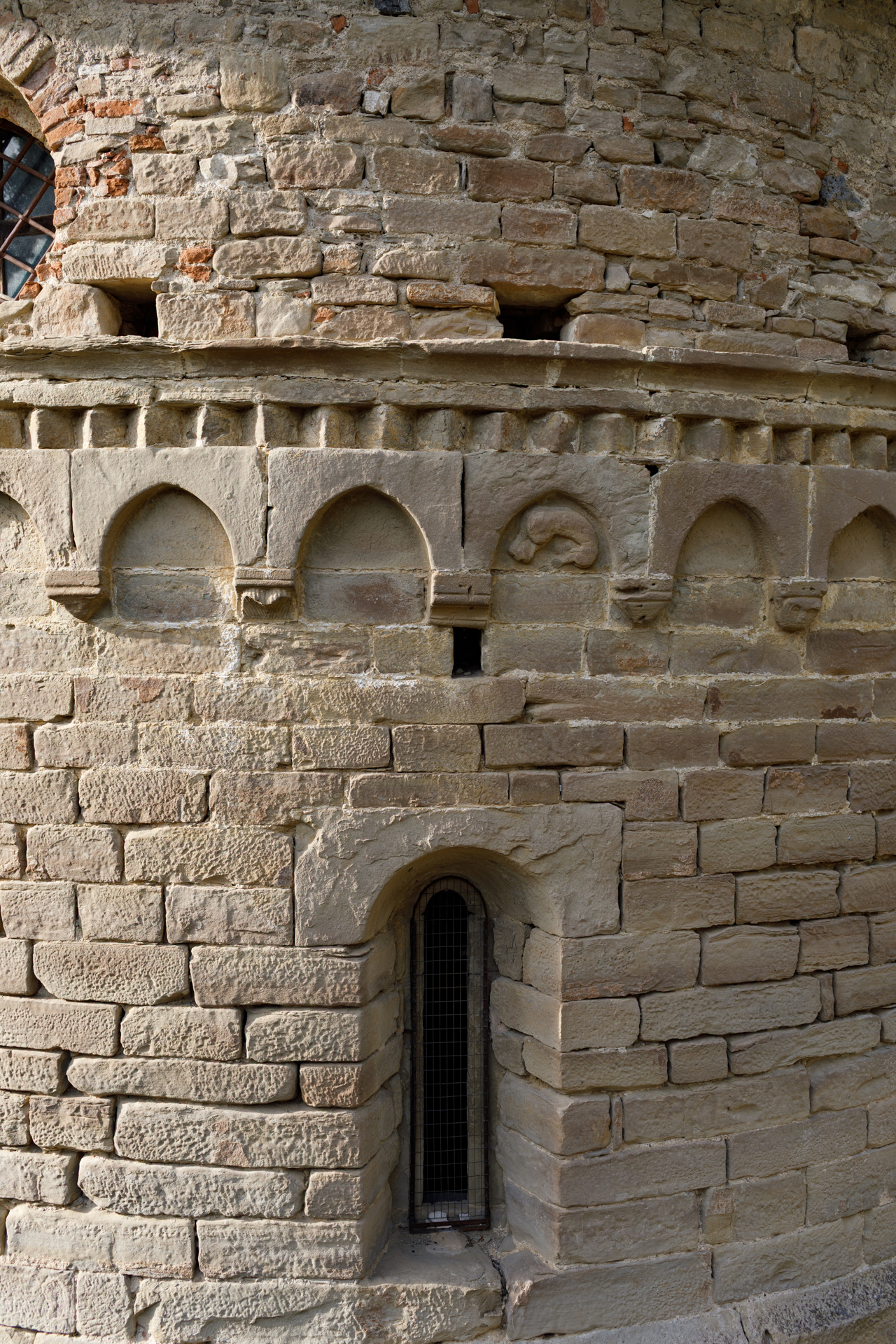
At the foot of the mountain is the Romanesque church of Santa Maria, first documented in the 11th century which, along with the former Franciscan convent, add a spiritual layer to the town.