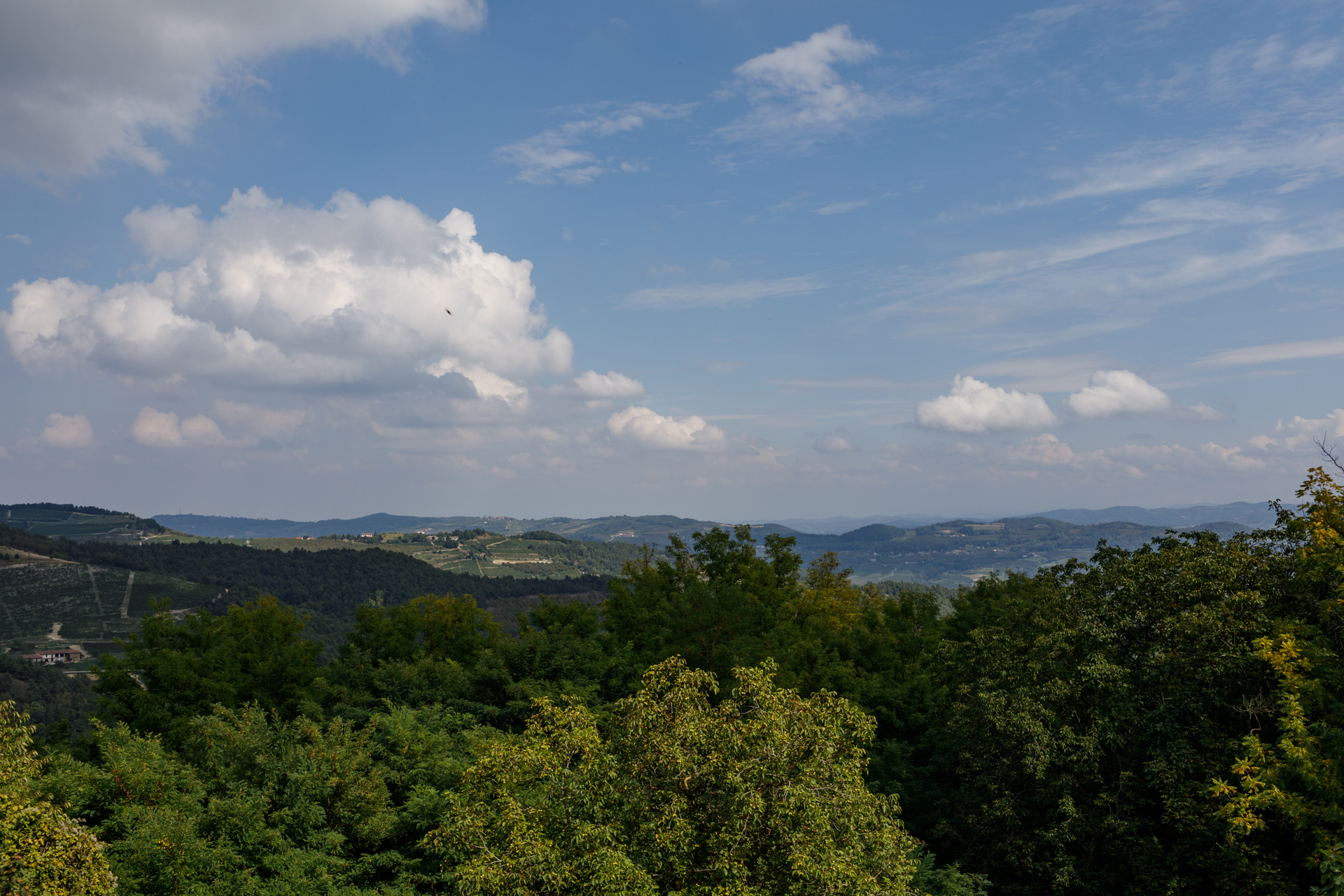
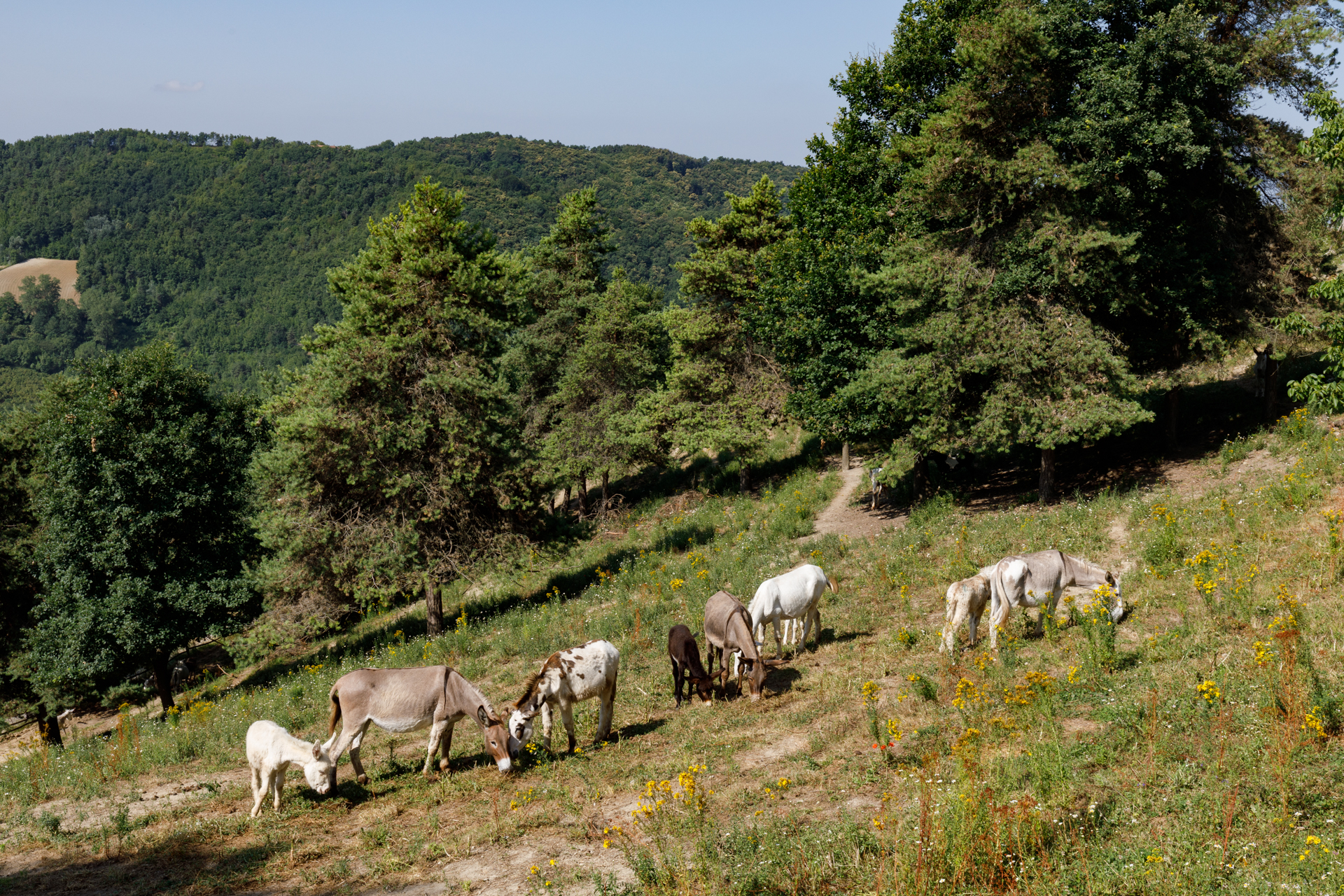
Castino lies in the Alta Langa hills, on a ridge between the Bormida and Belbo valleys. It is a place where history can be seen in its streets, in its buildings, and in the many transformations the village has seen down the years.
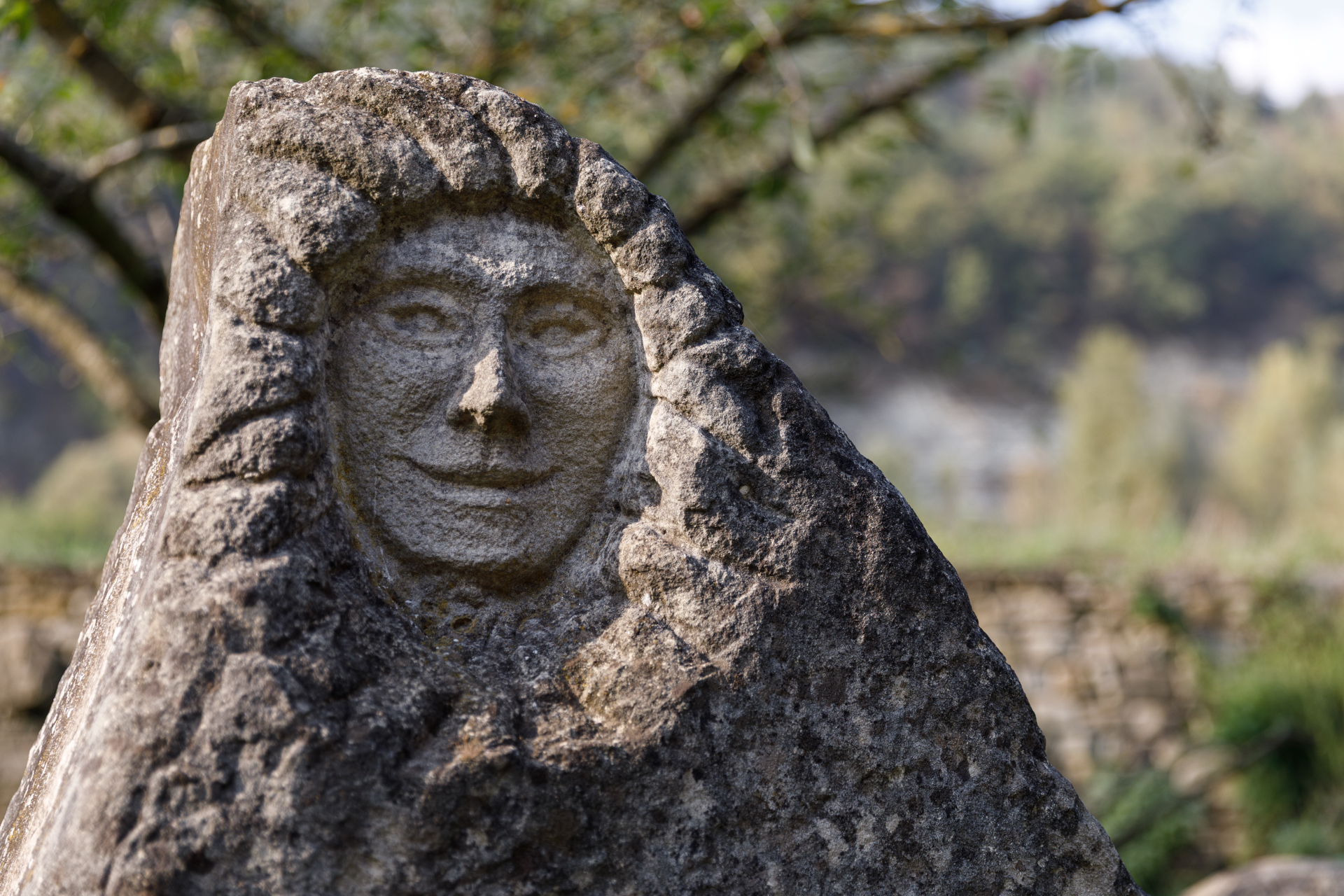
There are the remains of the ancient castle, devastated in the 17th century during fighting against Spanish armies. The central streets lead past stone houses and glimpses of the past.


In the village, the parish church and the ancient Benedictine monastery are reminders of the village’s long religious history; Borgo San Bovo, on the other hand, maintains a compact rural layout, with courtyards, passageways, and traces of agricultural work.
Architecture that tells a story
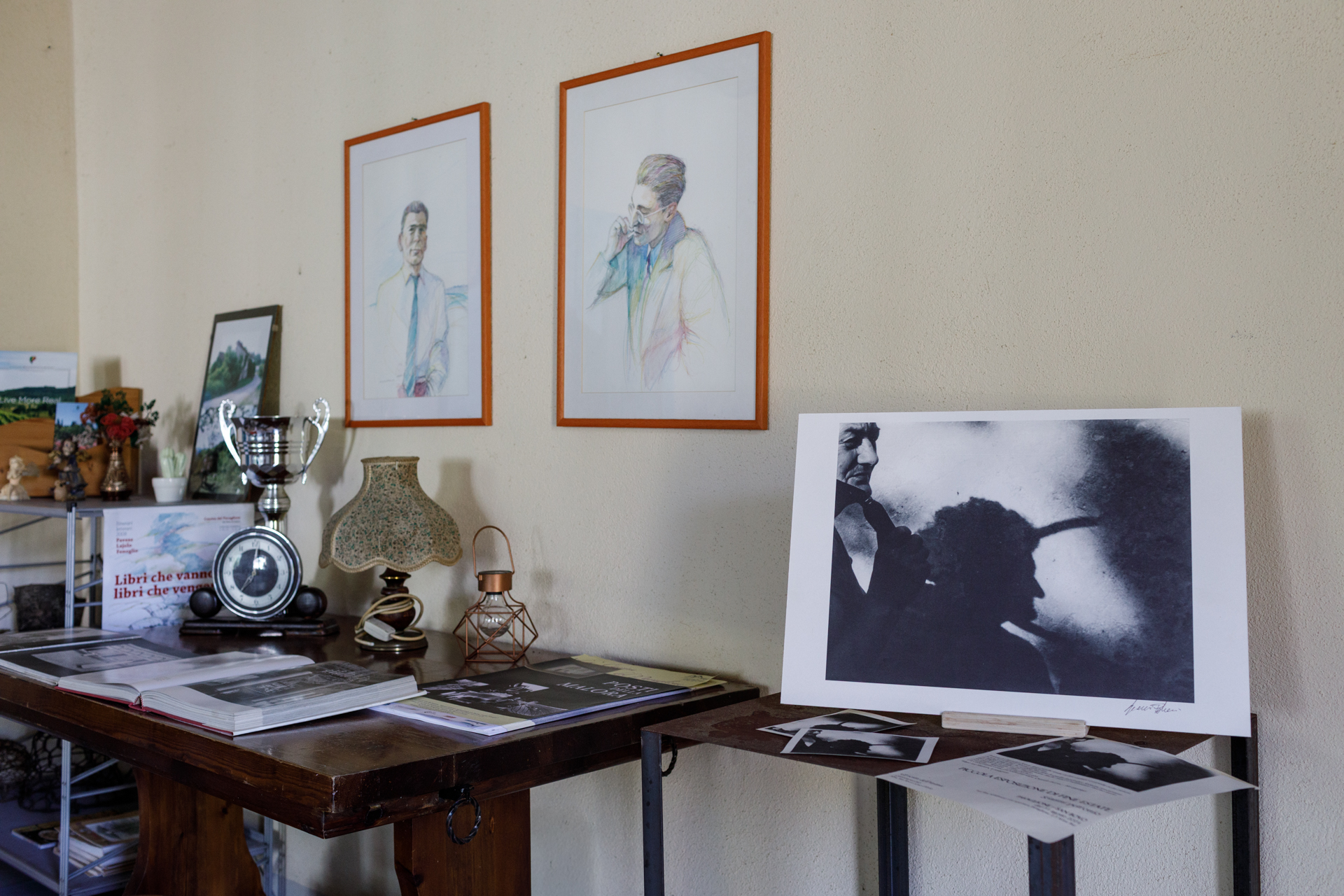
The nearby Casinca Pavaglione farmhouse is linked to noted writer Beppe Fenoglio and the literary landscape of his book La Malora: hills, farmhands, and the harsh nature of rural life invoked in the imagery of 20th-century Langhe. The village’s washhouse is an evocation of daily life in days gone by, while in the woods people can learn about truffle hunting, a skill that has been passed down through the generations.