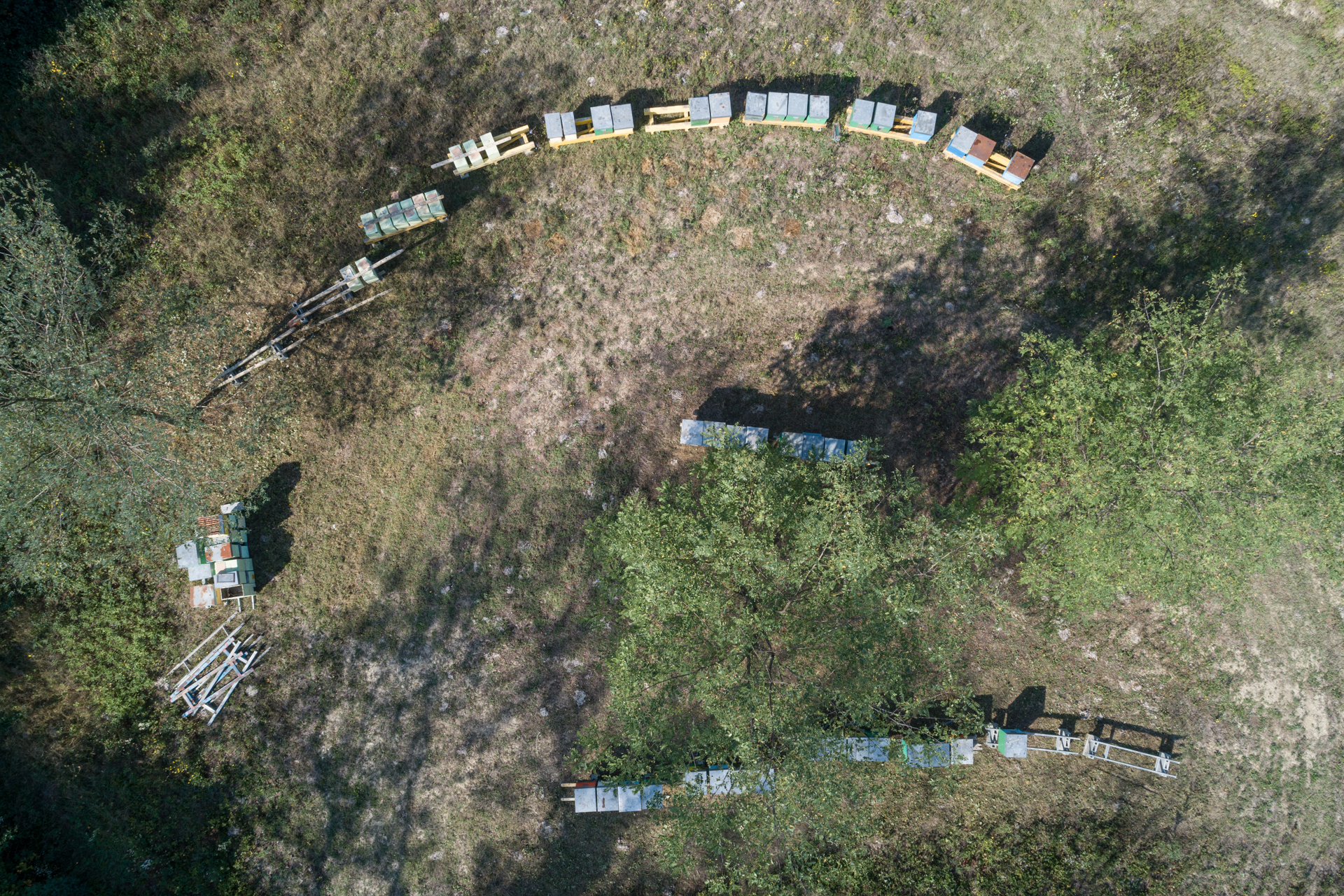
Bormida Valley honey tastes like things that grow slowly: sweet as a kiss, intense as a forest, and different with each season. It's not a single flavor, but the result of the landscape the bees encounter around the hive.
Chestnut, black locust, and mixed-flower honeys can produce very different colors, aromas, and textures. Acacia honey tends to be clear and fluid; chestnut honey is darker and more aromatic; and mixed-flower honey varies depending on the location and harvest season.


From the hive to the tasting
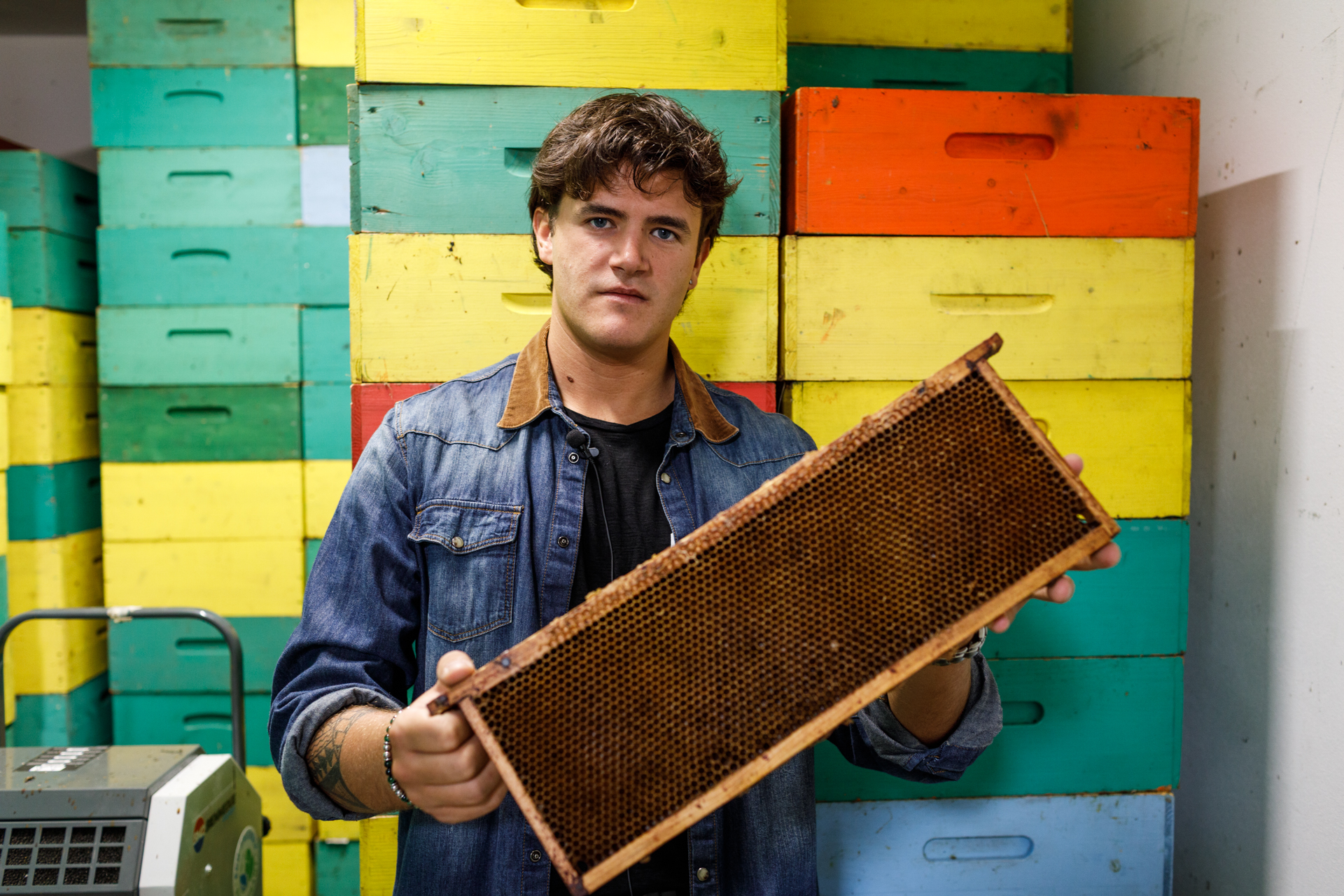
A visit to an apiary allows you to closely observe the organization of the colony and the work of the beekeeper. With the necessary protection and respect for the bees, you'll discover hives, frames, and cells, learning to recognize the different phases of the season.
In the laboratory, the story continues with uncapping, centrifugation, filtration, and maturation: essential steps that take the honey from the comb to the jar, without concealing its origins and characteristics. A comparative tasting then helps distinguish floral, vegetal, and bitter notes, even when paired with local cheeses.
The activity is seasonal and depends on the weather and the hive's conditions. Therefore, it must be agreed upon in advance and adapted to the bees' needs, making waiting and observation part of the experience.