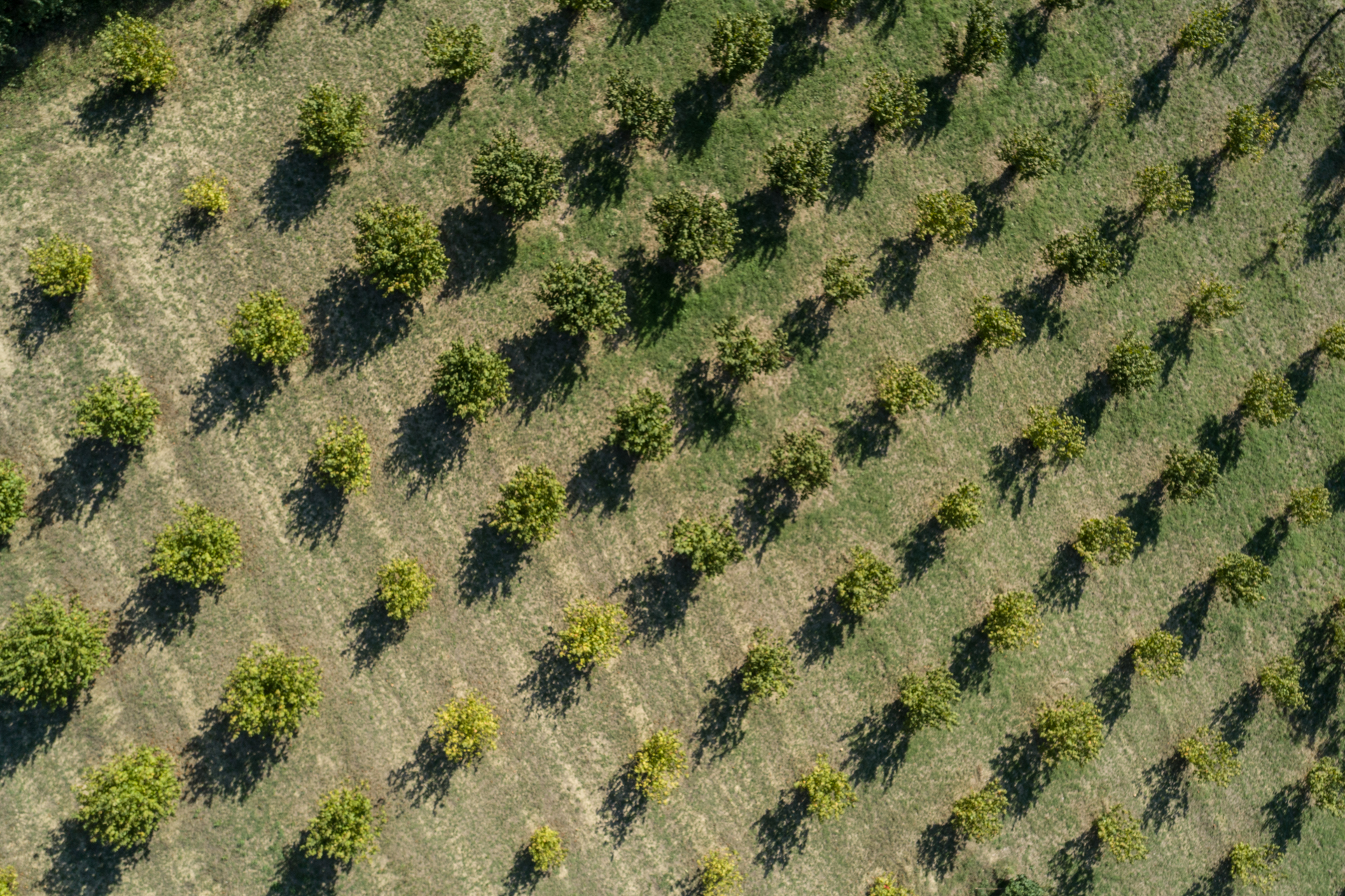
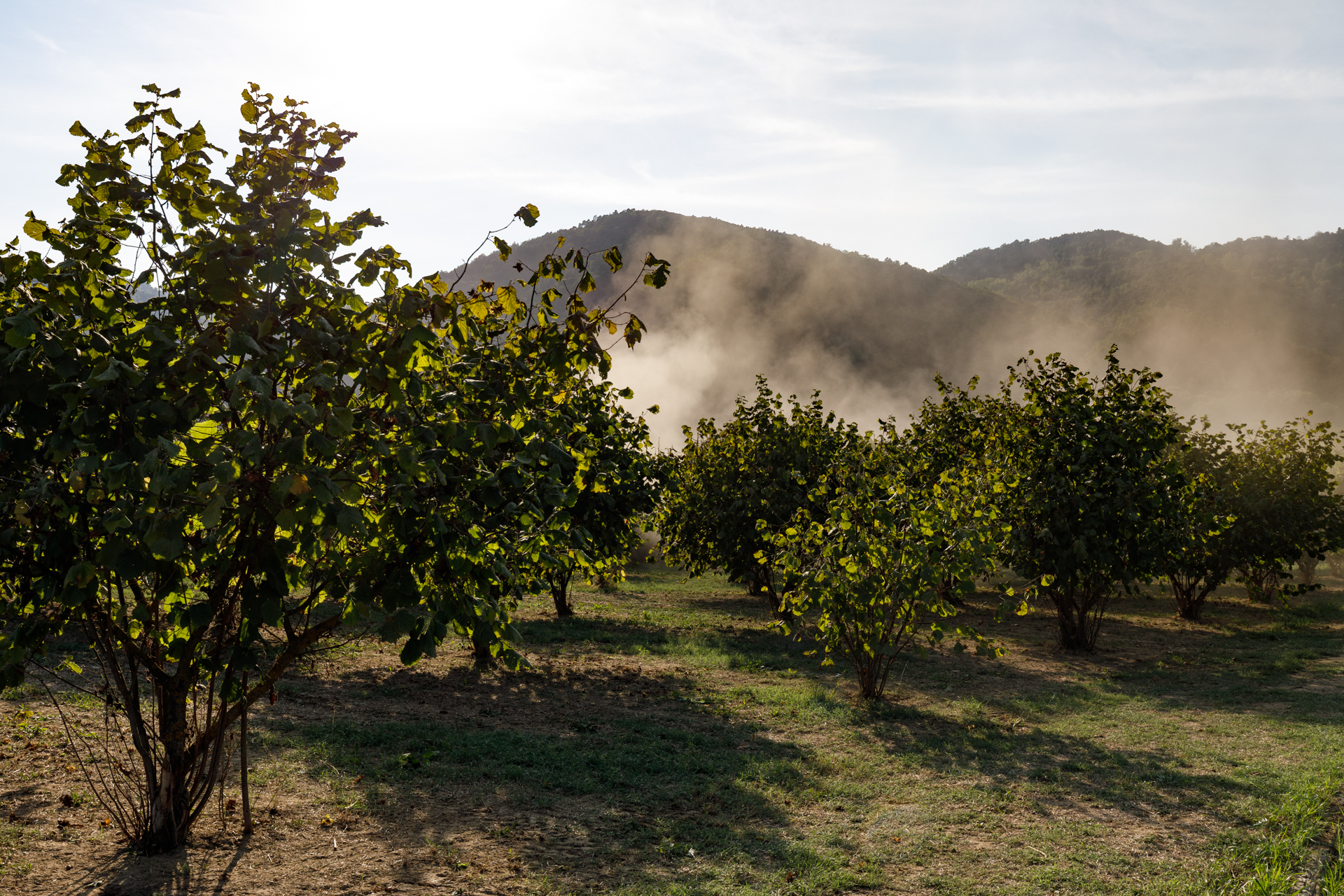
In the Bormida Valley, the hazelnut shapes the landscape and marks the seasons. Around Cortemilia, Torre Bormida, and Cravanzana, hazelnut groves occupy slopes, small plateaus, and ancient terraces, combining contemporary cultivation with the patient transformation of the hills accomplished by rural communities.
The star of the show is the Tonda Gentile, a symbolic variety of the Alta Langa and the heart of the PGI Piedmont Hazelnut. The nut is prized for its thin shell, good yield, and especially its aroma, which intensifies with roasting. Before reaching the bakery, however, it requires months of care: pruning, soil management, monitoring the plants, and harvesting the fallen nuts when ripe.


From the hazelnut grove to the roasting
The experience can begin with a stroll through the hazelnut grove to identify the tree, its inflorescences, and the various stages of development. In late summer, the story focuses on the harvest; at other times, it allows you to observe how climate, exposure, and agricultural practices influence the final quality.
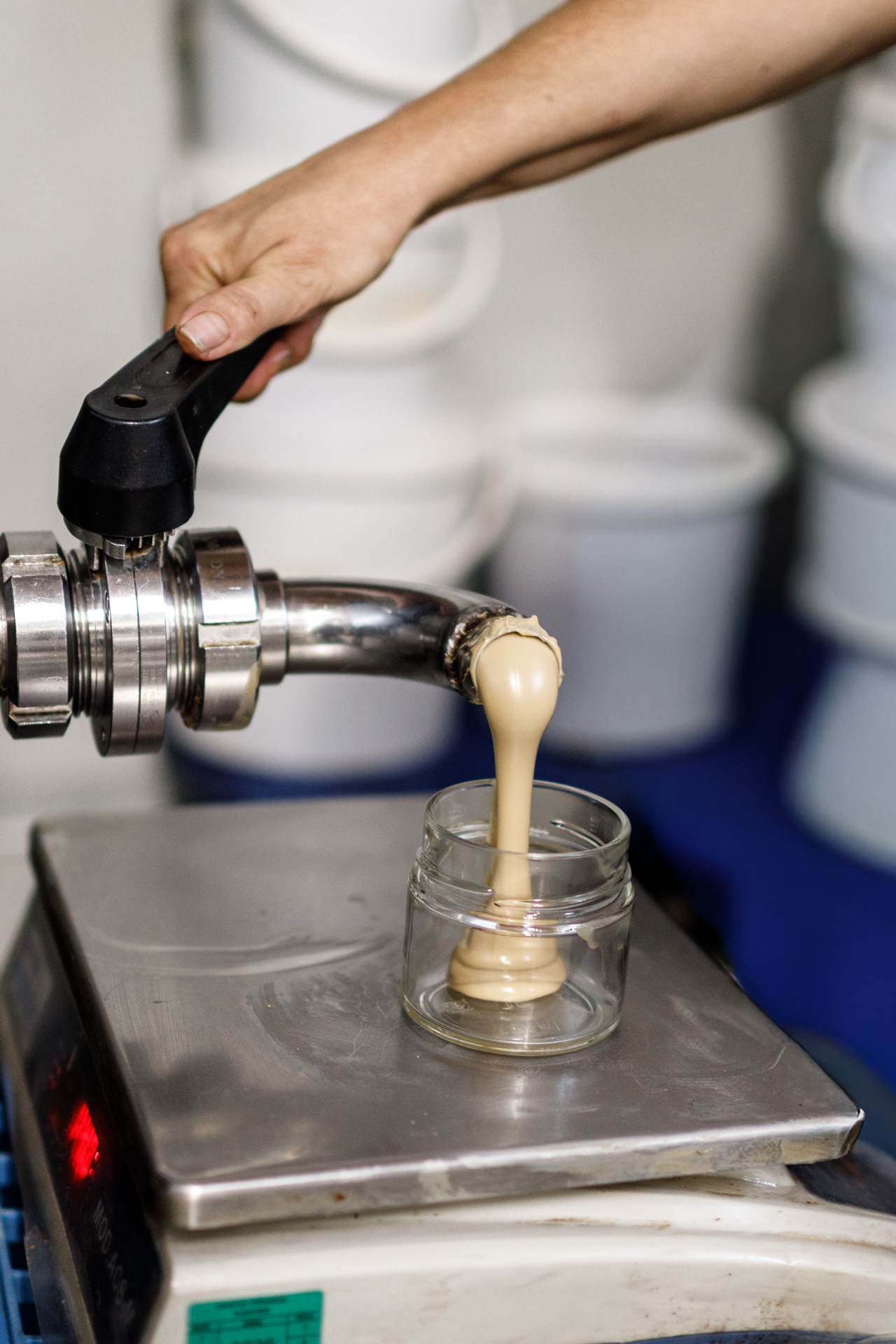
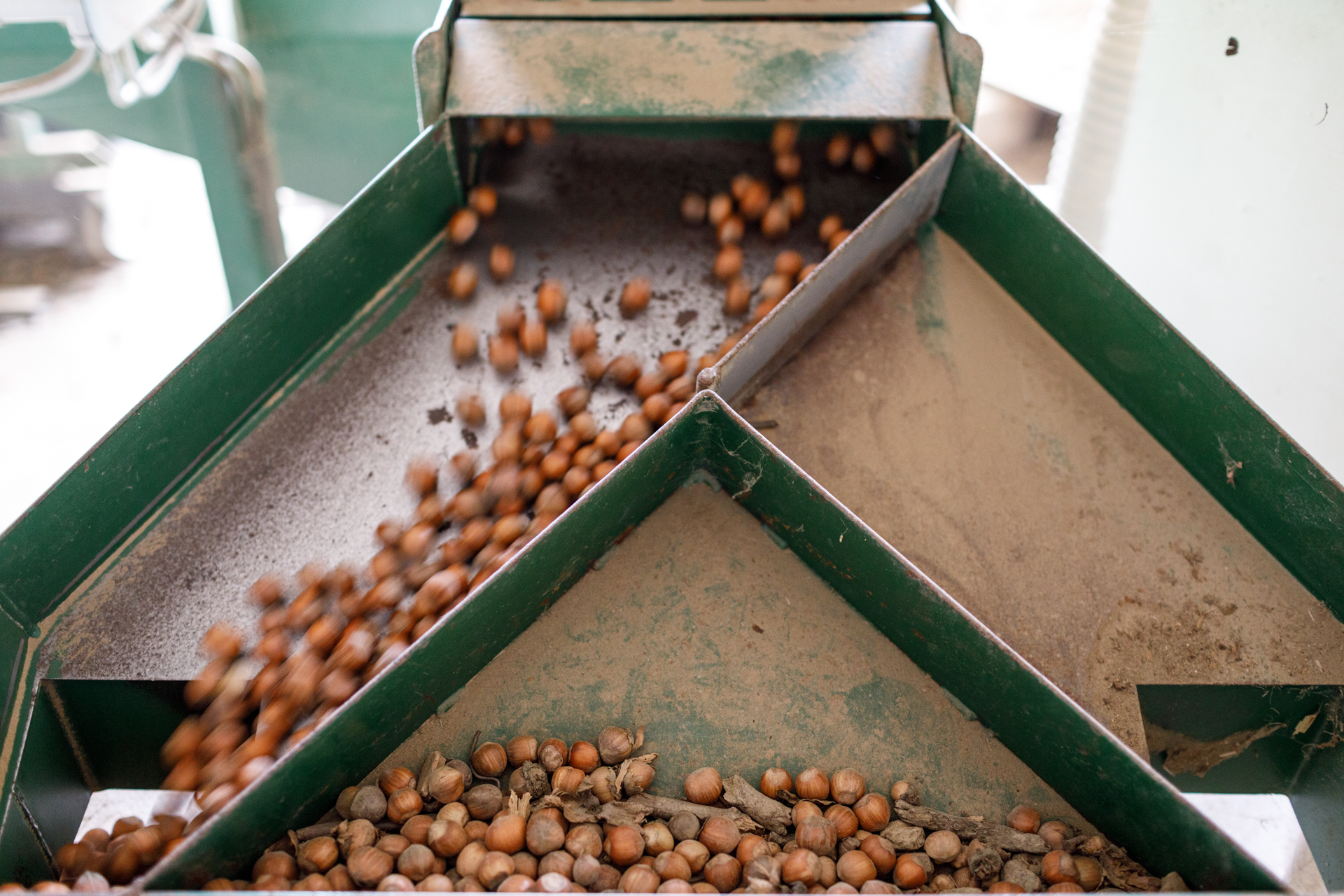
The drying, shelling, sorting, and roasting processes are carried out in the laboratory. Tasting the raw and then roasted hazelnuts immediately reveals the transformation: the heat reduces the moisture, facilitates the separation of the skin, and enhances the aromas. From the same fruit, we create hazelnut kernels, flour, pure paste, creams, cakes, and small traditional sweets.
A guided tasting can compare textures and processing methods, helping to distinguish hazelnuts from products in which sugars or other ingredients mask their character. Visits, demonstrations, and harvesting activities depend on the season and farm availability and must be booked in advance.
From the land of the Bormida Valley to the hands that work them: each hazelnut contains the time, care, and authentic flavor of things done well.