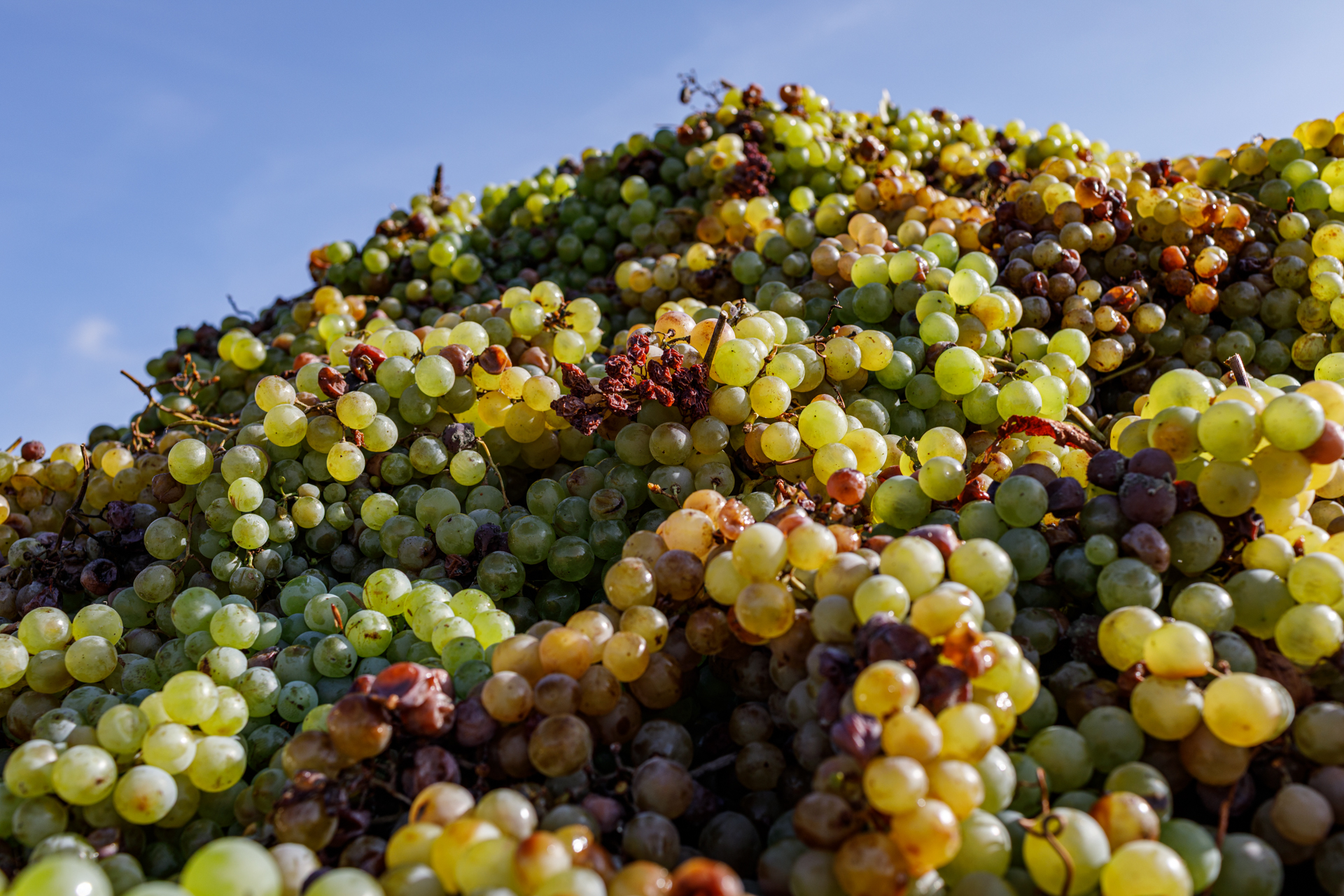
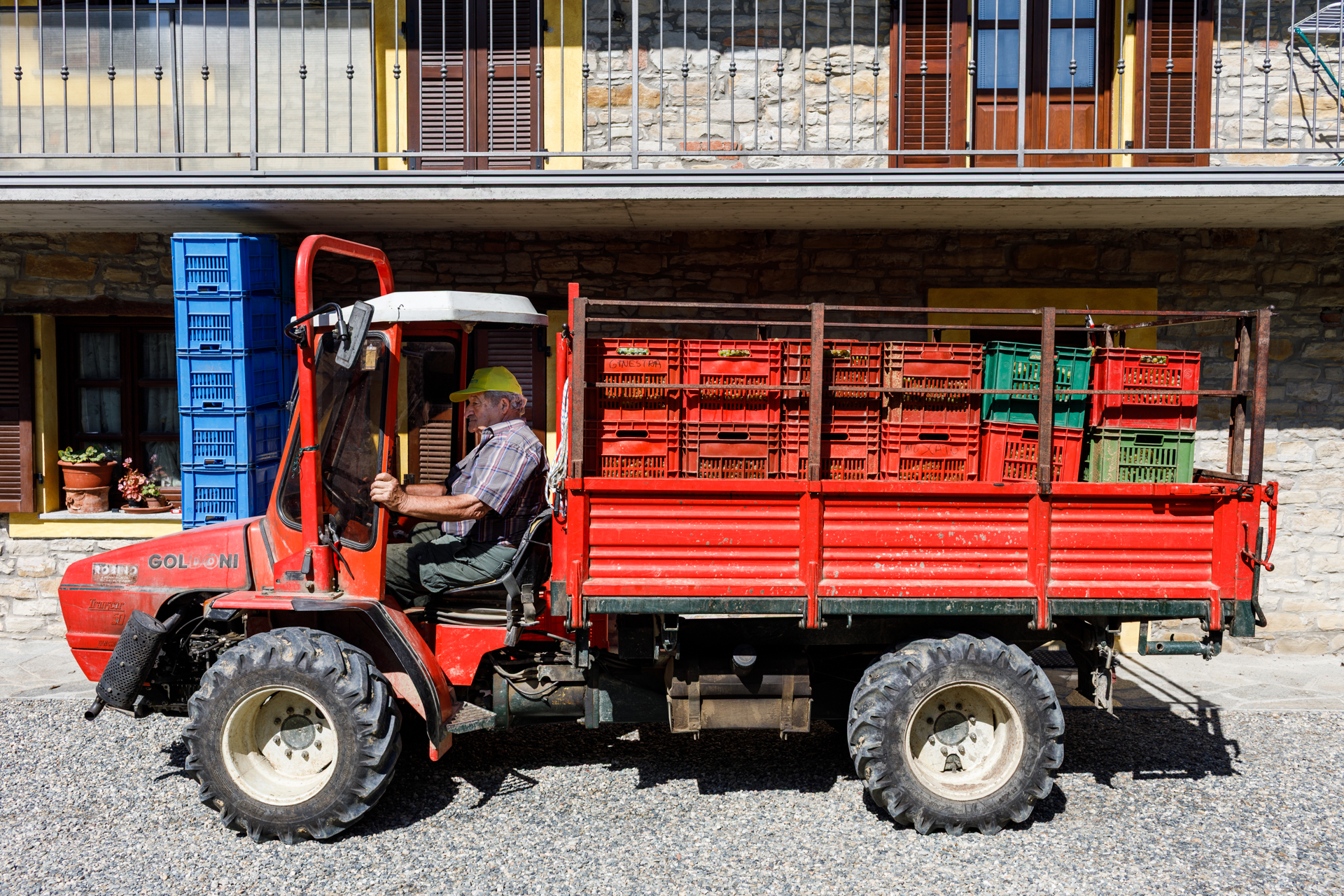
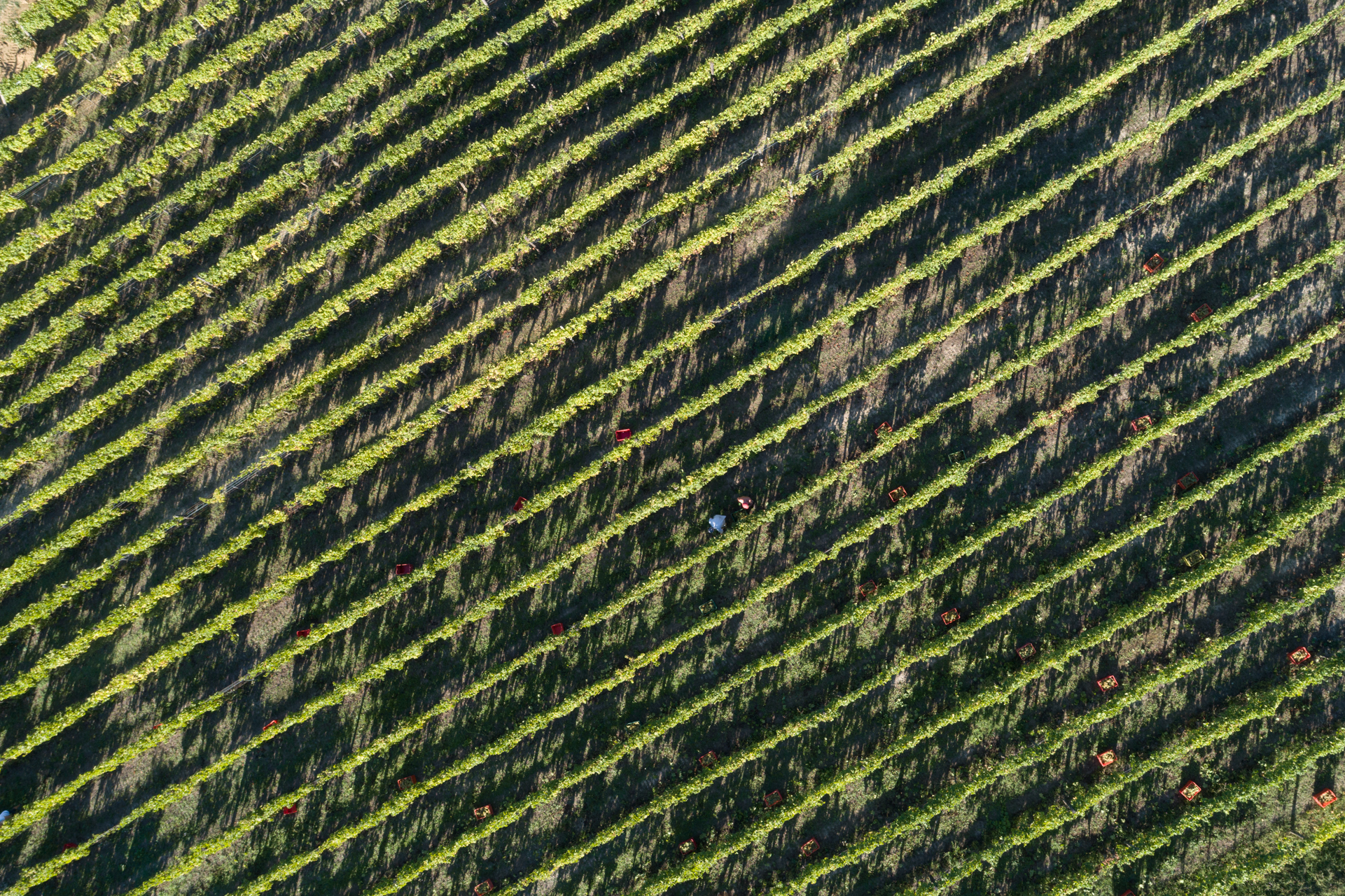
Harvest is the moment when a year's work in the vineyard comes together in just a few days. In the Alta Langa and Bormida Valley, the harvest follows different altitudes, exposures, and varietals: Pinot Noir and Chardonnay destined for the base wines of the Alta Langa DOCG can be picked early, while other local grapes ripen later in the season.
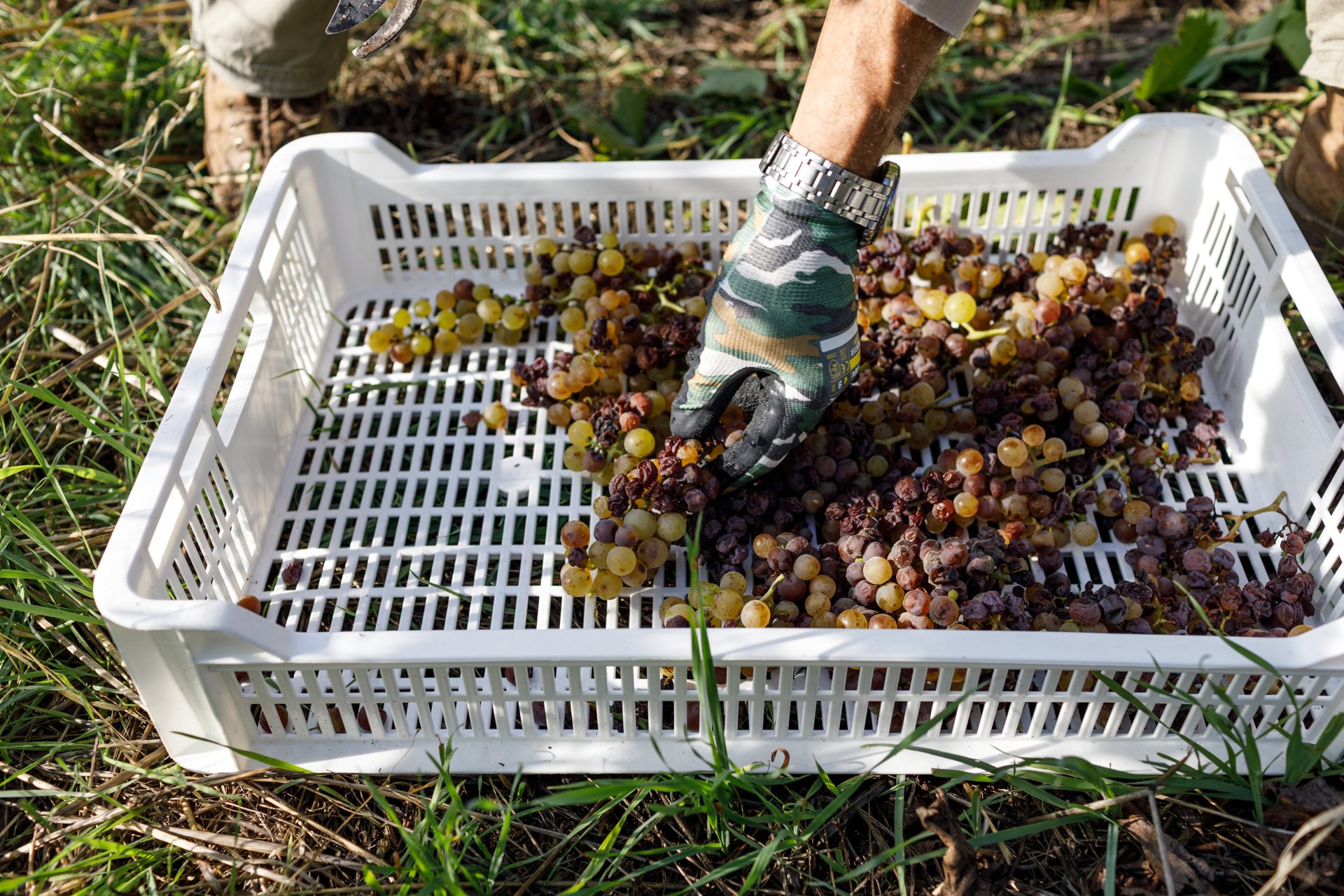
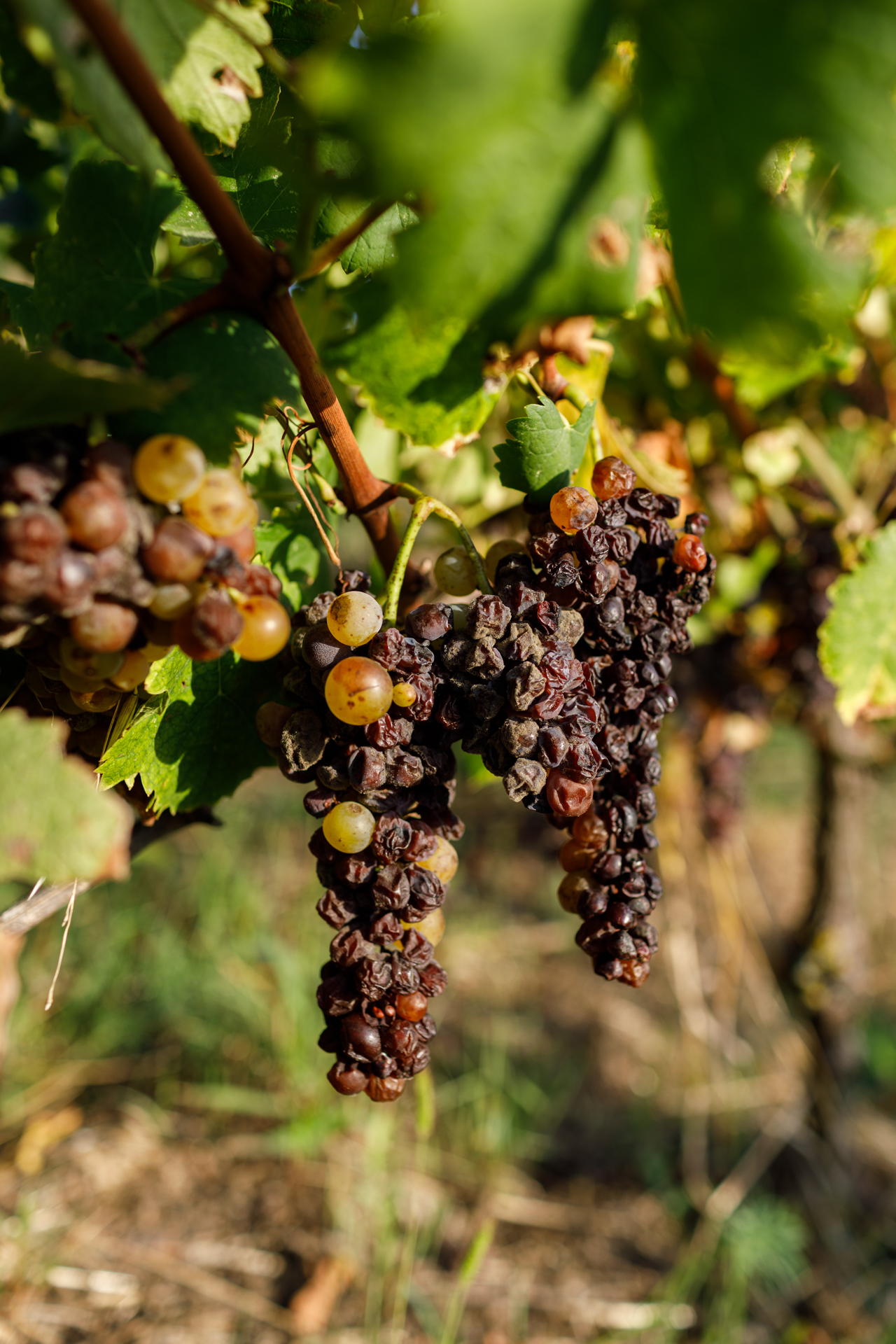
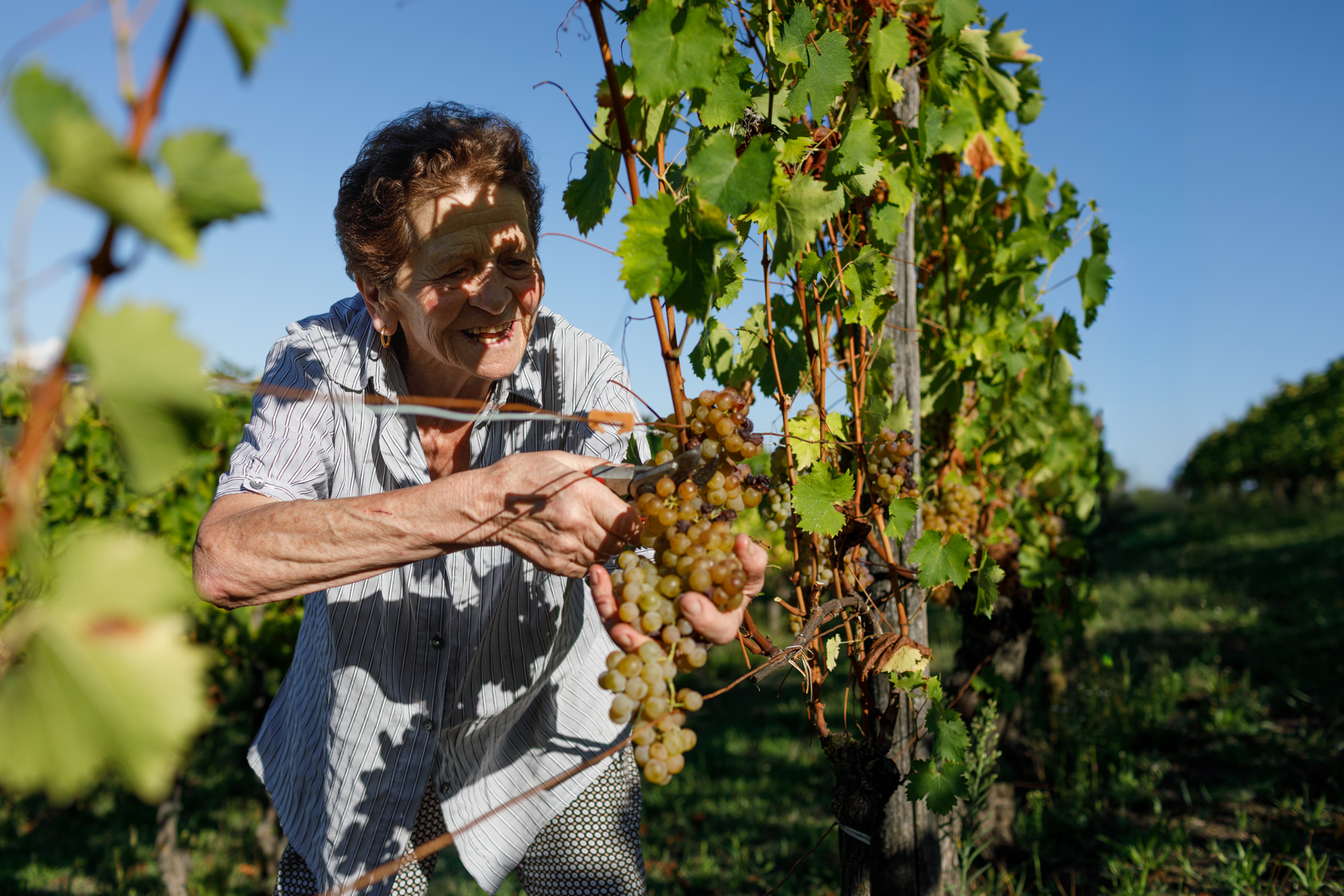
The experience can begin among the rows with a description of the vintage and the pre-harvest checks. Sugar levels, acidity, grape health, and weather forecasts help the winemaker choose the right moment. When the winery allows, participants can try hand-cutting the bunches and arranging them in crates, following safety guidelines and respecting the team's rhythm.


From the bunch to the must
In the cellar, the grapes are weighed, selected, and sent for processing. Soft pressing, destemming, or crushing vary depending on the desired wine. The must then begins fermentation, when the yeasts convert the sugars into alcohol and develop aromas that will continue to evolve during aging.
The Alta Langa DOCG takes a particularly long journey: after the initial fermentation, Pinot Noir and Chardonnay become sparkling wine through secondary fermentation in the bottle and a long aging on the lees. Alongside the bubbles, the terraced vineyards of the Bormida Valley also speak of the tenacity with which historic vineyards were preserved or recovered under difficult conditions.
The day can conclude with a tasting of the finished wines, useful for connecting the freshly harvested fruit to the results of previous harvests. Participation is seasonal, subject to weather and the winery's organization; activities in the rows, access to the work areas, and tastings must always be booked and confirmed.