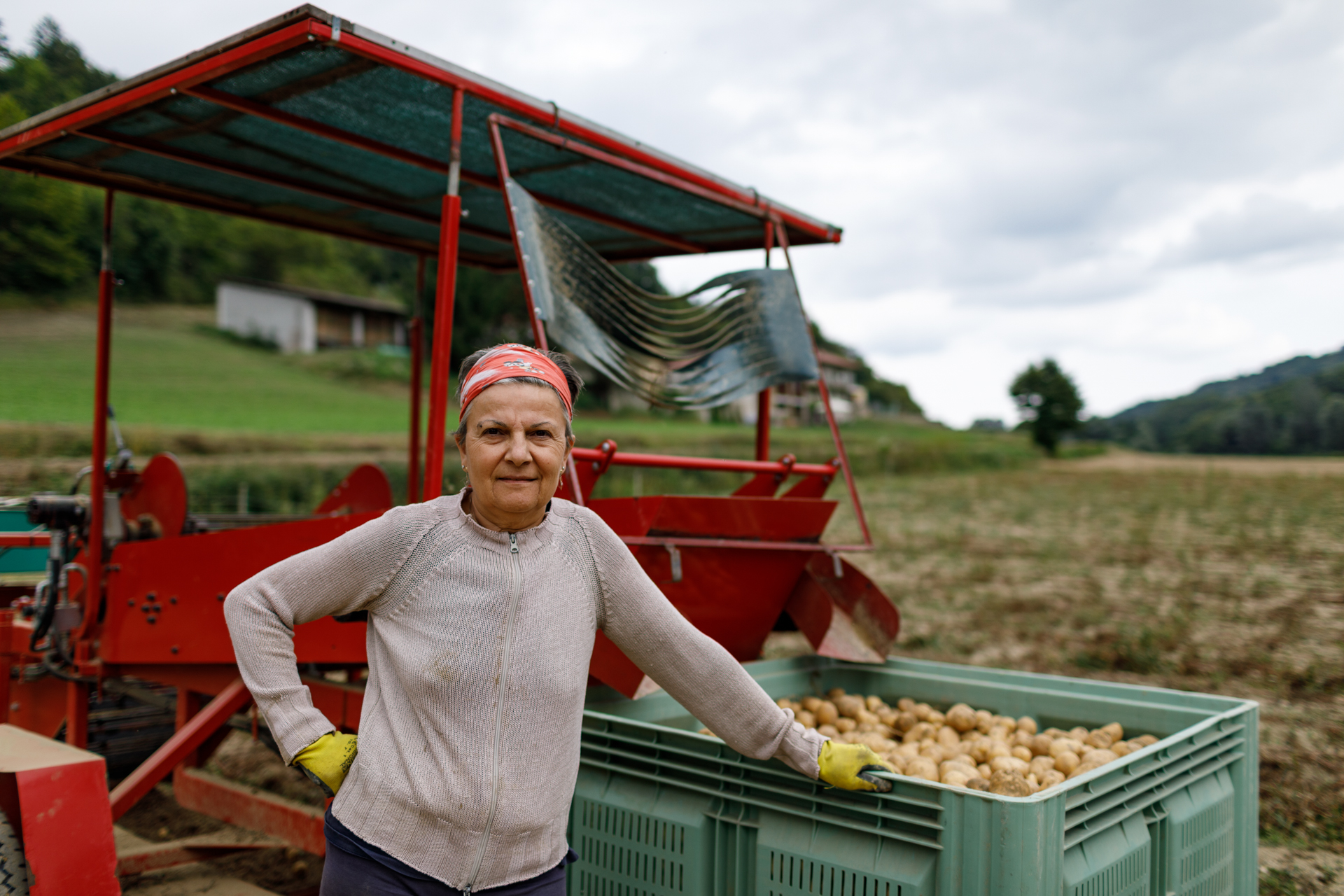
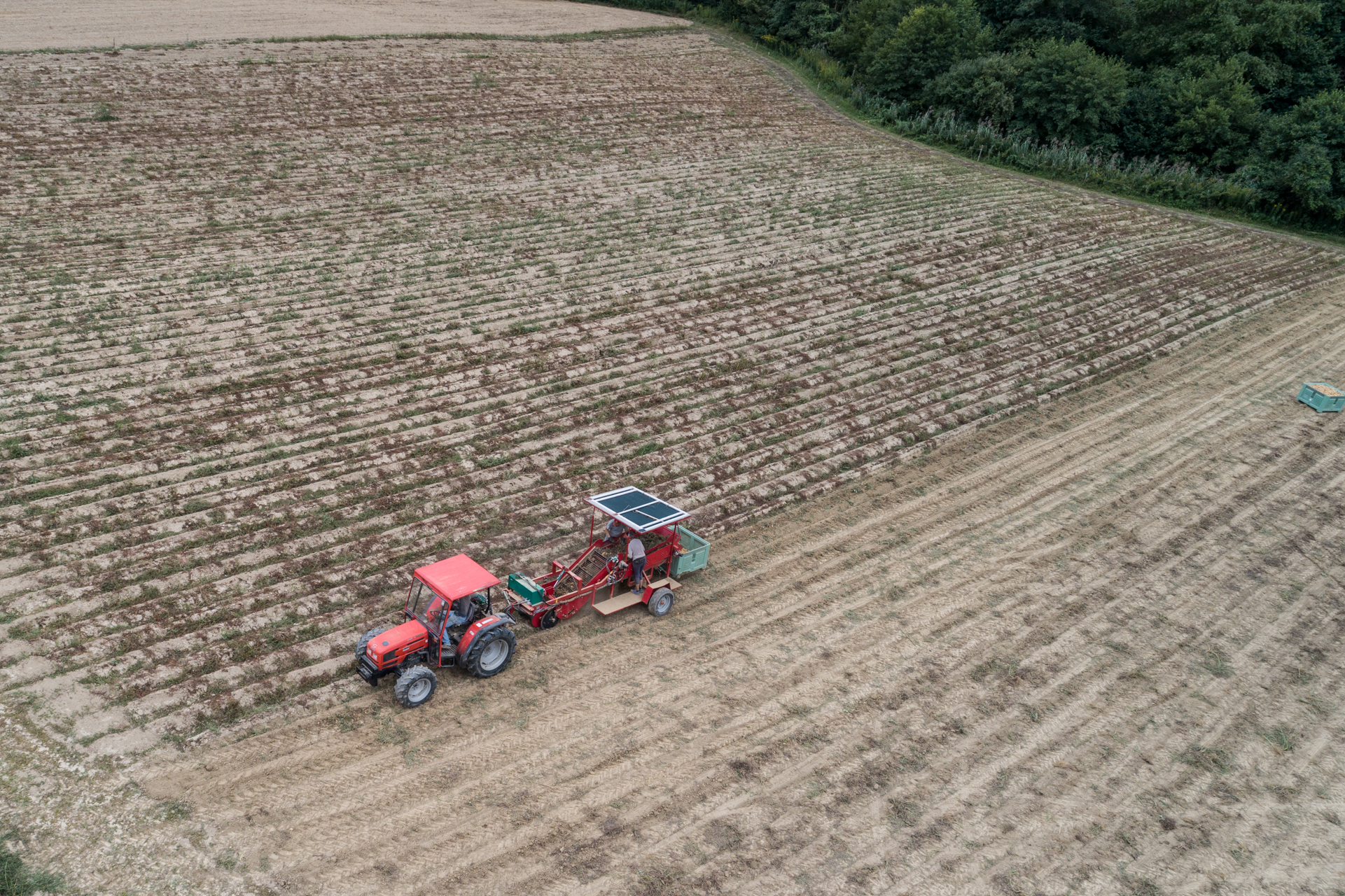
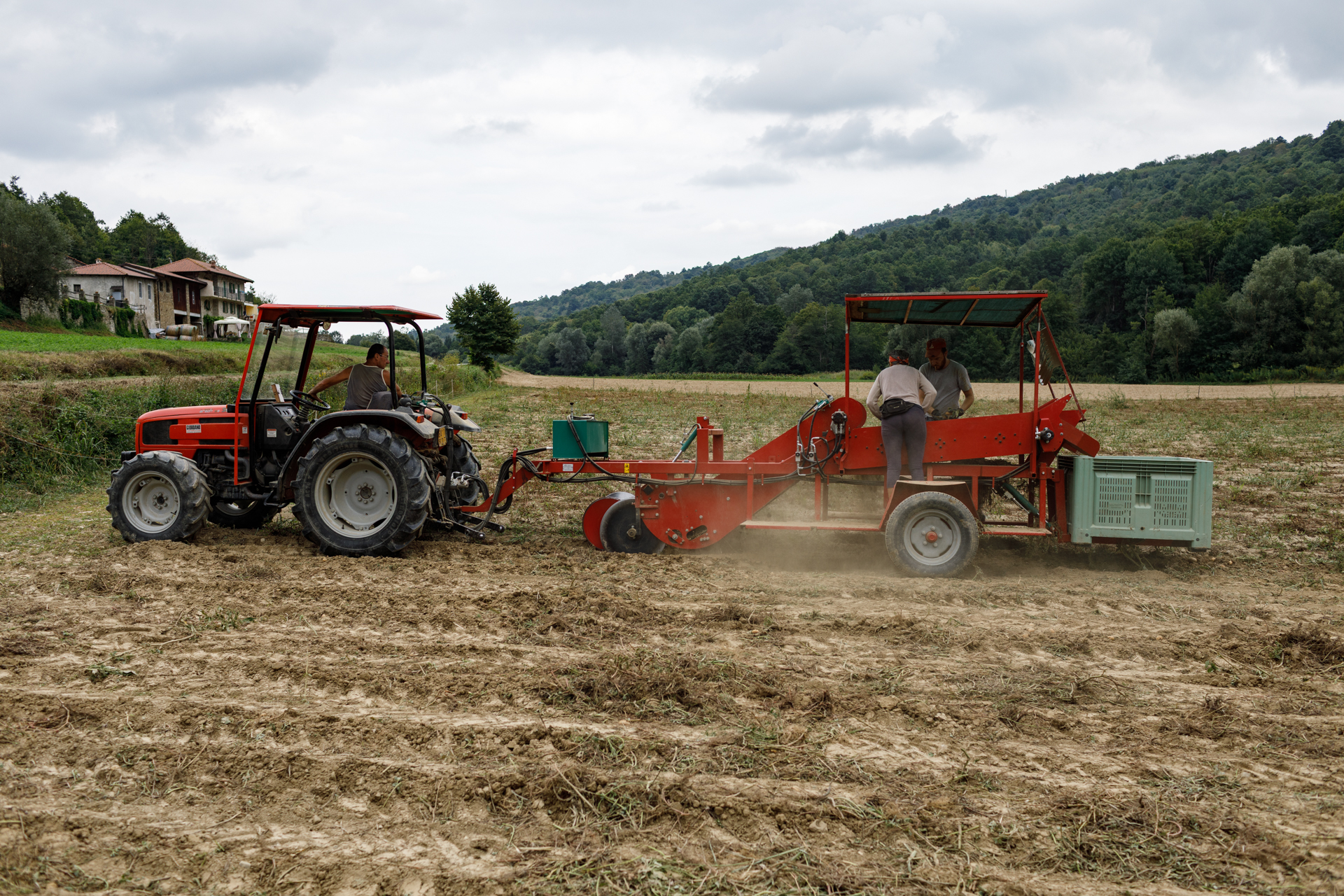
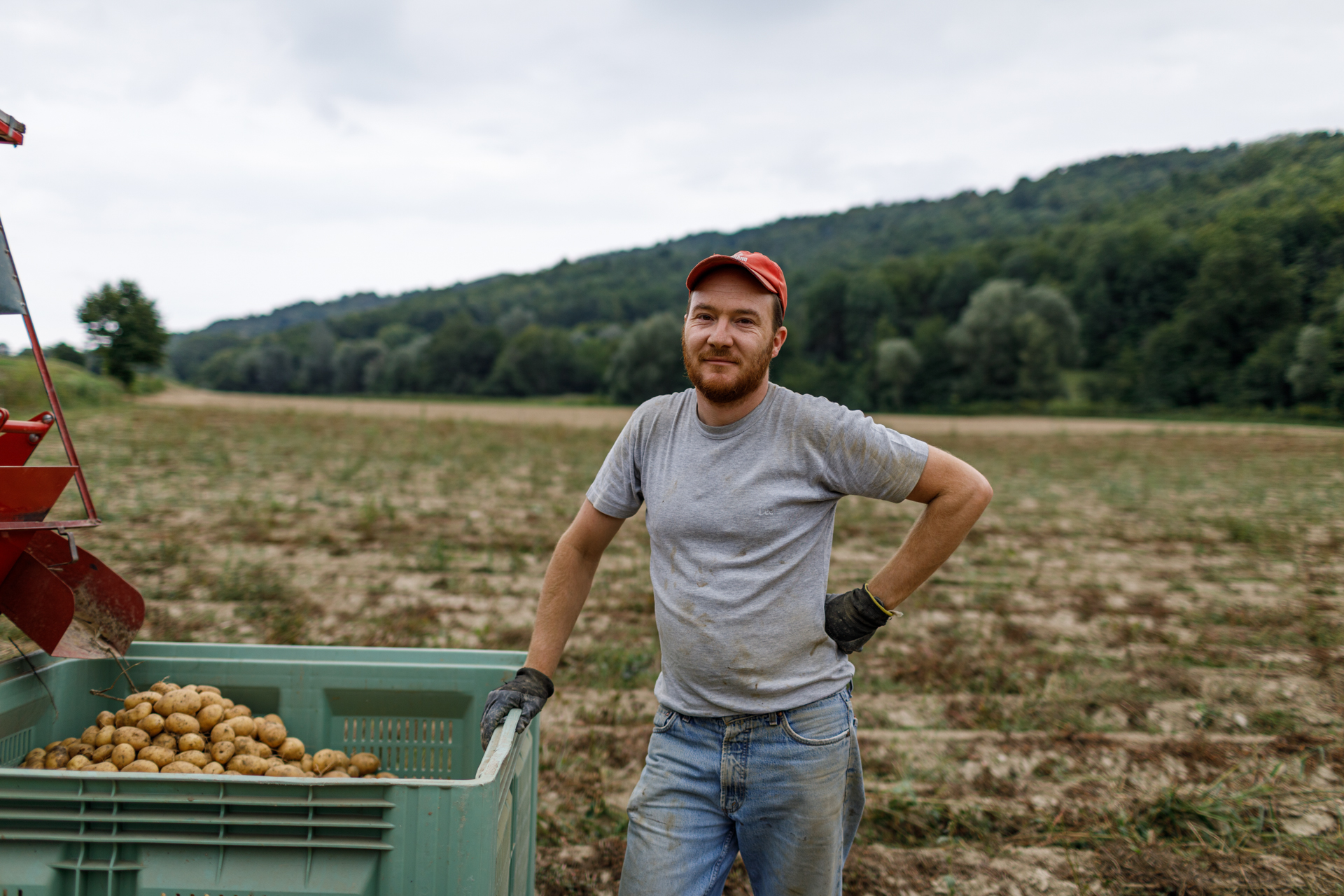
Some crops adapt to the landscape. Others, however, challenge it. Potatoes belong to the latter category.
It requires suitable soil, a favorable climate, and patient farming. For this reason, in the higher areas of the Bormida Valley, it continues to be an important presence, linked to a farming method that has adapted to the altitude without losing its character.
Where altitude makes the difference
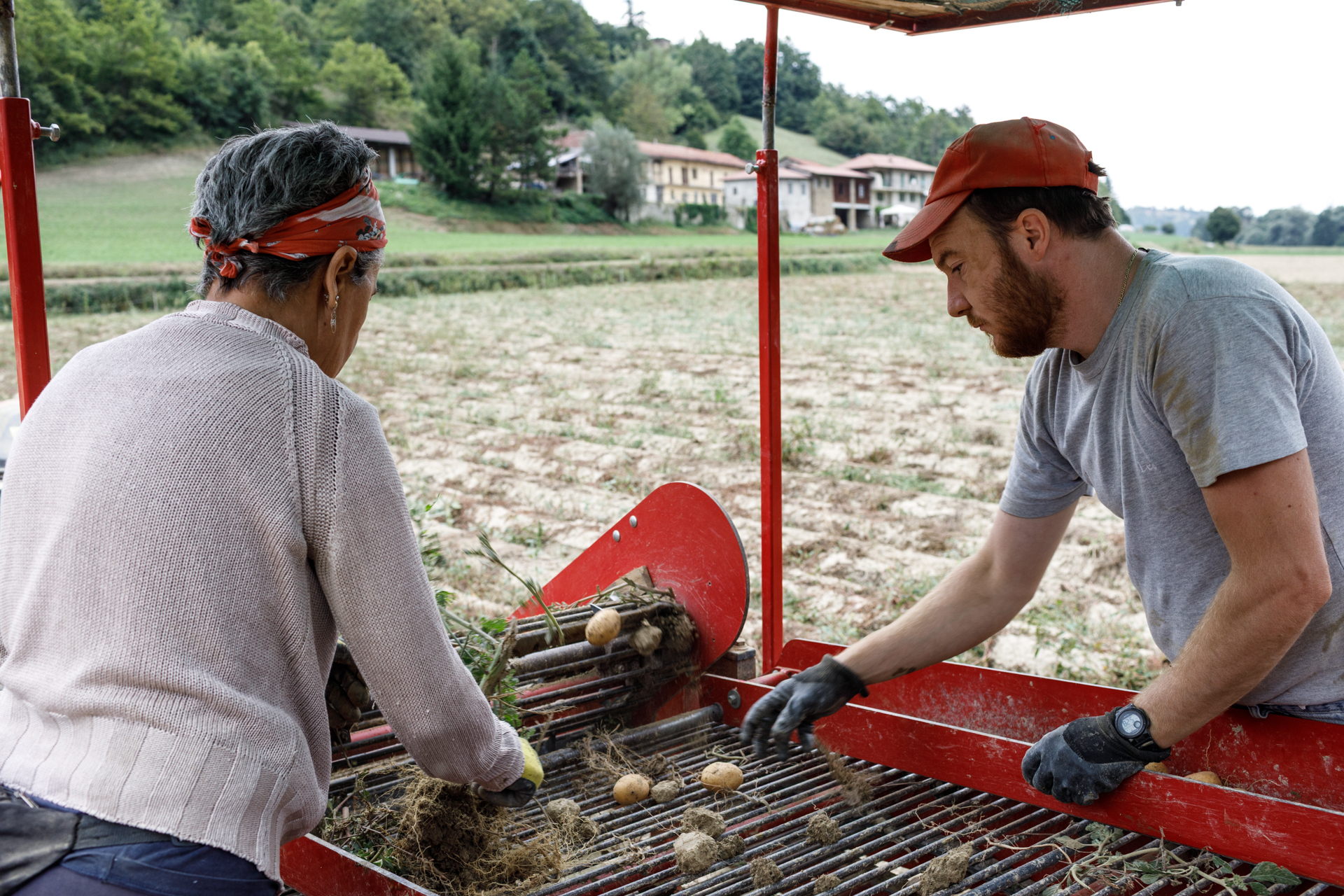
At over 800 meters above sea level, Mombarcaro is one of the highest municipalities in Piedmont. Here, the air remains cool even during the summer, and the sharp temperature variations slowly accompany the ripening of the crops.

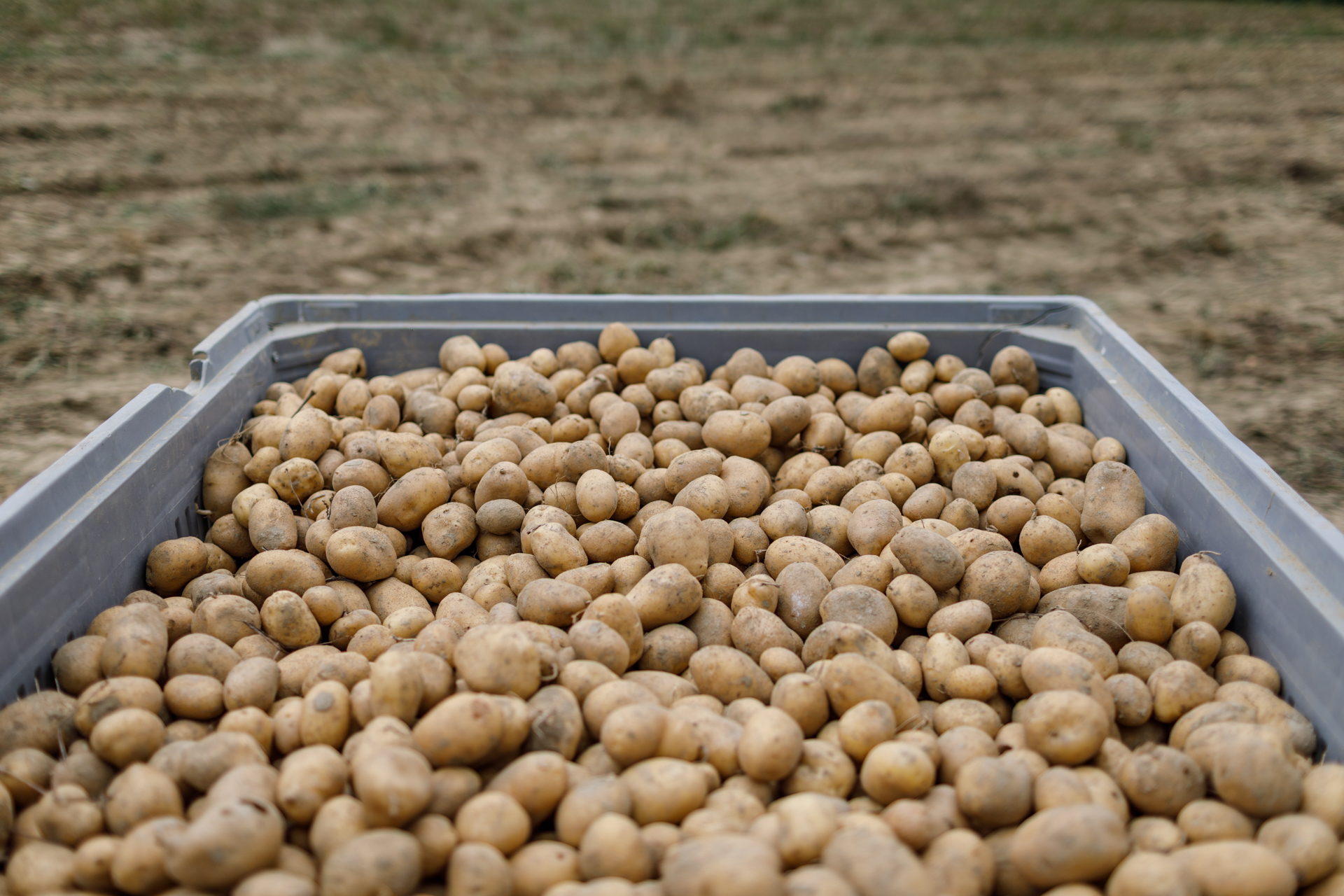
These conditions provide an ideal environment for potatoes. The loose soil, breezy climate, and natural air circulation allow for regular growth, without overshooting. The result is a product that maintains consistency, balance, and great culinary versatility.
Walking through these hills, it's easy to see how agriculture has shaped the landscape. Cultivated fields, meadows, and woods still coexist today in a balance that tells the story of those who continue to inhabit and work these lands.


An agriculture that looks to the future
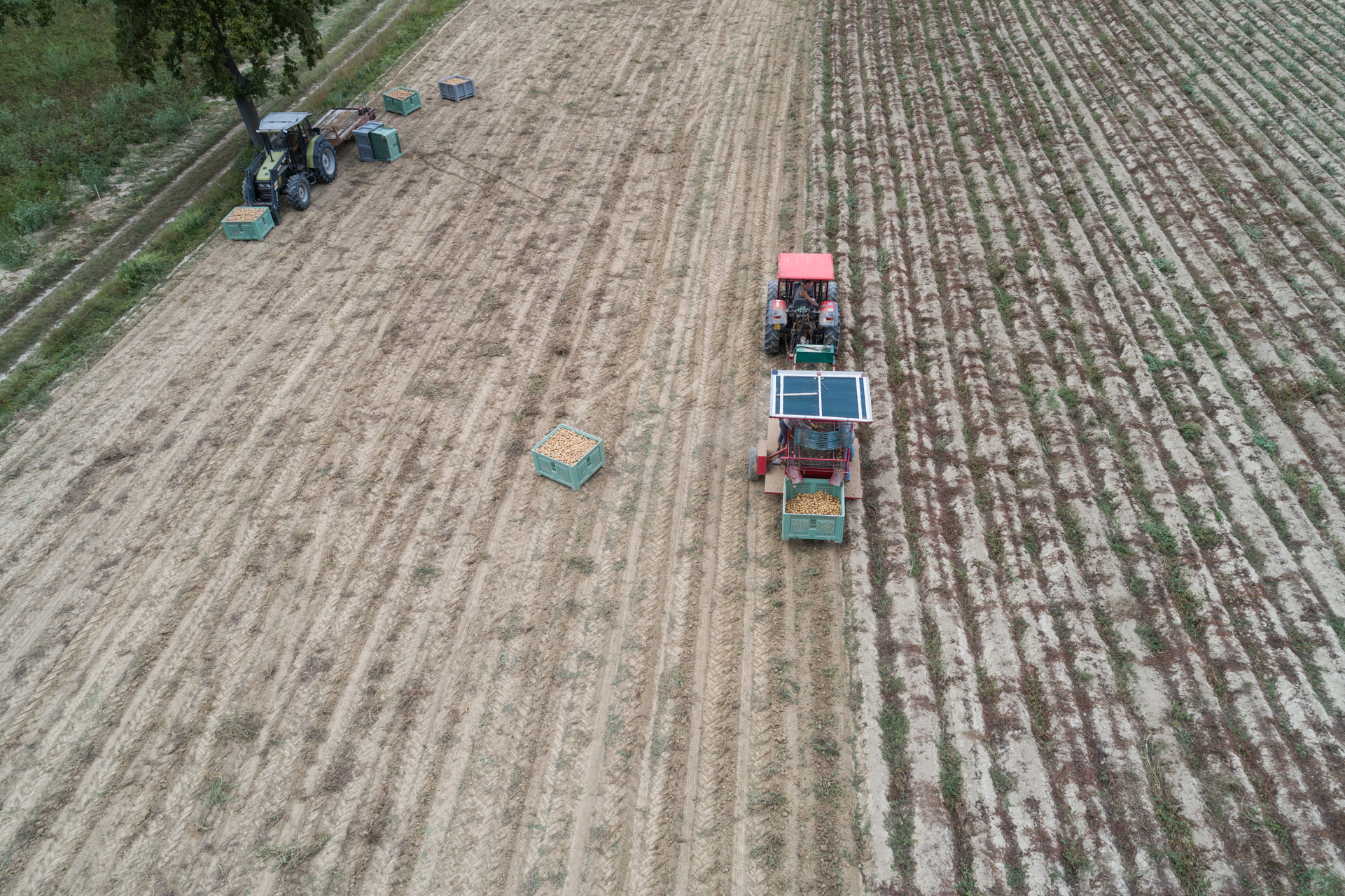
Potato cultivation isn't just a tradition passed down through time. It's a choice that continues to add value to the land, keeping small farms alive and preserving a landscape that would be profoundly changed without human intervention.
Many productions remain tied to a family dimension, where each harvest still follows the rhythm of the seasons and contact with the land remains an integral part of daily life. This is an agriculture that doesn't pursue large numbers, but rather quality, care, and continuity.
For those who choose to live in Val Bormida, all this means being able to get to know the farmers up close, purchase local products, and rediscover a more direct relationship with food and the landscape that makes it possible.


A simple ingredient, a cuisine that speaks of the territory
Potatoes are a staple in many local recipes, from the simplest to the most festive. They're an ingredient that doesn't seek prominence, but rather enhances any dish thanks to their natural versatility.
Perhaps this is its most interesting feature. Like the Bormida Valley, it doesn't need to amaze to leave its mark. It prefers substance, moderation, the time necessary for everything to find its balance.
It's a product that tells the story of a gentle mountain, made up of daily toil, open landscapes, and seasons that continue to mark the rhythm of life.
Among the hills of Mombarcaro, even a simple crop speaks to the value of time, the land, and those who continue to care for it.