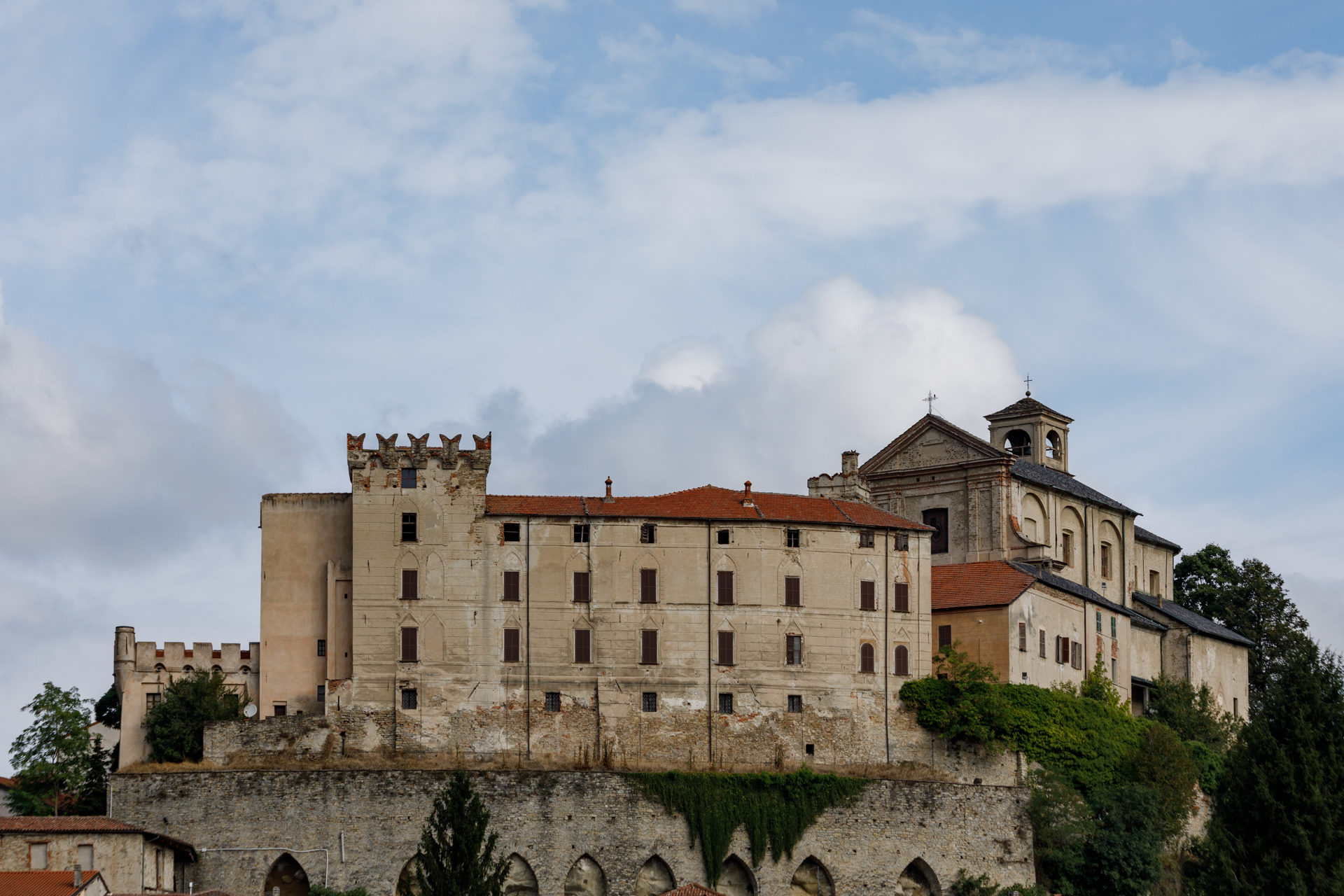
Monesiglio lies along the Bormida river, a small and welcoming village. It seems to have designed to be a hub, a place for conversation and exchange.
It is no coincidence that it is known for its market squares, open spaces that reflect its long-standing commercial role.
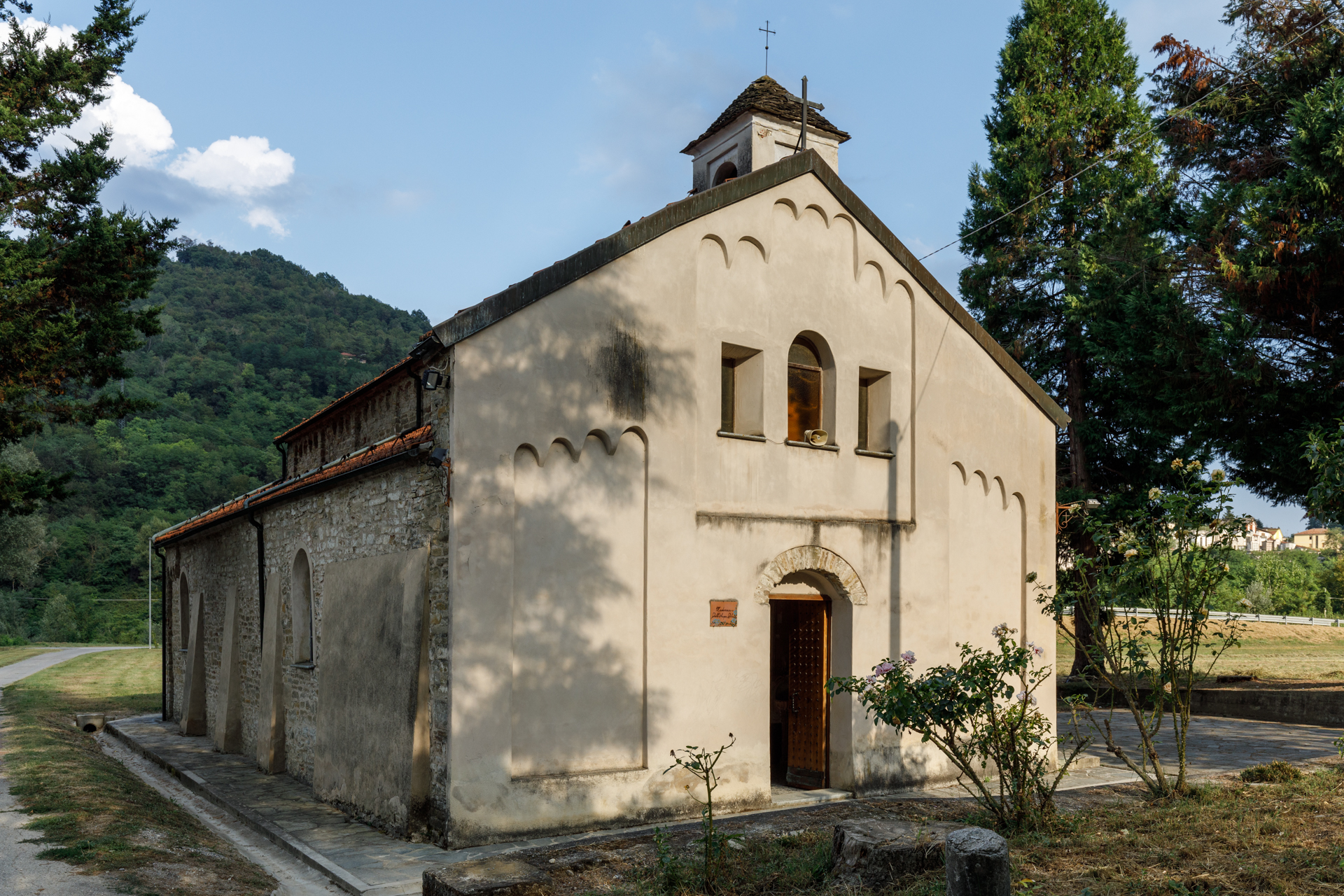
On the valley floor, there is the Romanesque church of Santa Maria dell’Acqua Dolce, dating from the late 10th/early 11th century.
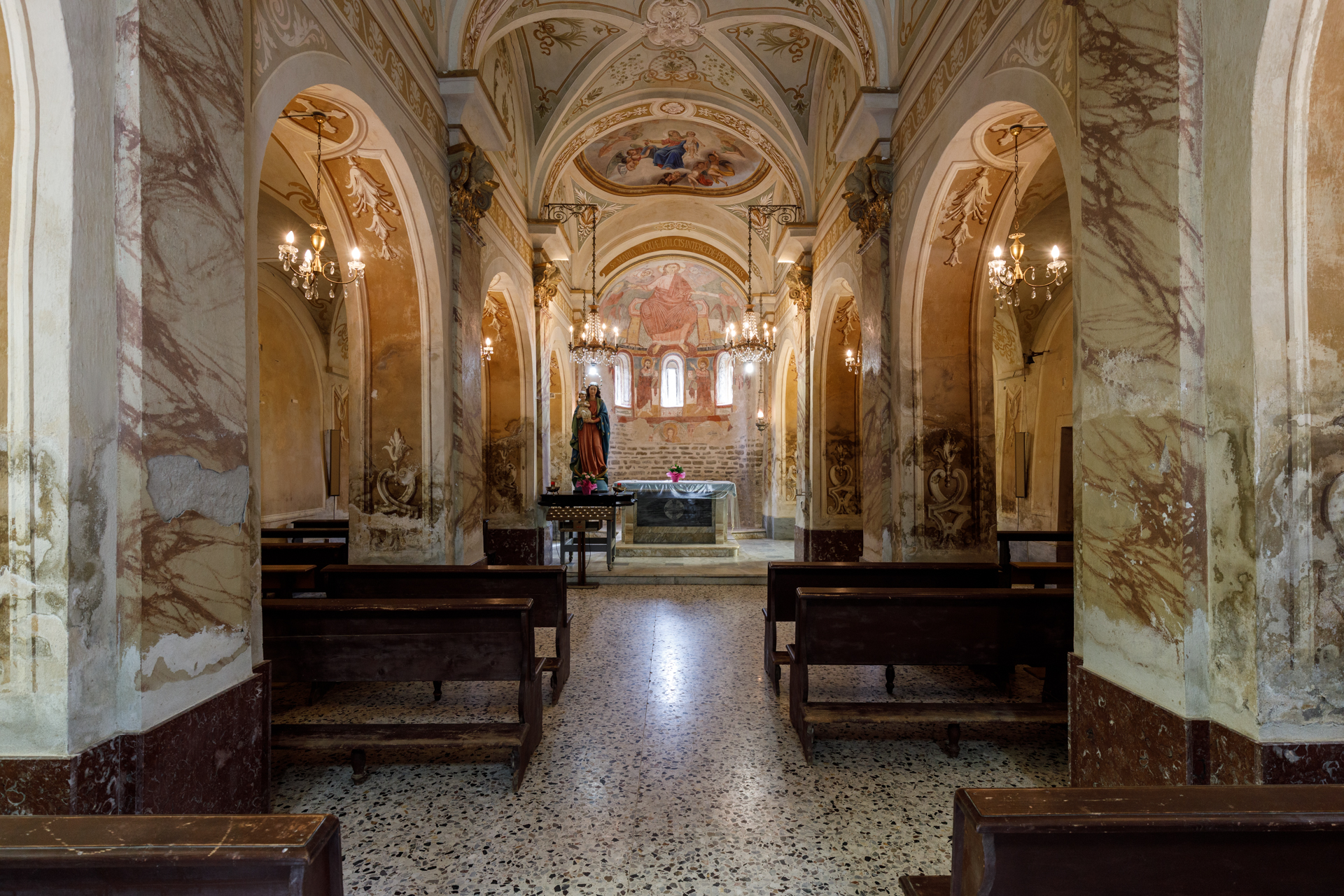
The apse contains a 12th-century Christ Pantocrator icon and later paintings, including a 15th-century portrait of the Madonna.


Monesiglio is also linked to the figure of Augusto Monti, an anti-fascist intellectual, and the author of the great family saga I Sansossi, which was set here. In the novel, the village is the epicentre of a collective story spanning generations, capturing the character of a proud and resilient farming community.
In this case, literature is not superimposing fiction onto a place, it is amplifying its memory. Beyond the town centre, the hamlet of Colombi retains a special charm. Cut off from the main road by the new tunnel, its isolation has helped it remain intact, with its stone houses seemingly frozen in time.