Monastero Bormida stretches along the Bormida River, in a location that has always been conducive to passing encounters.
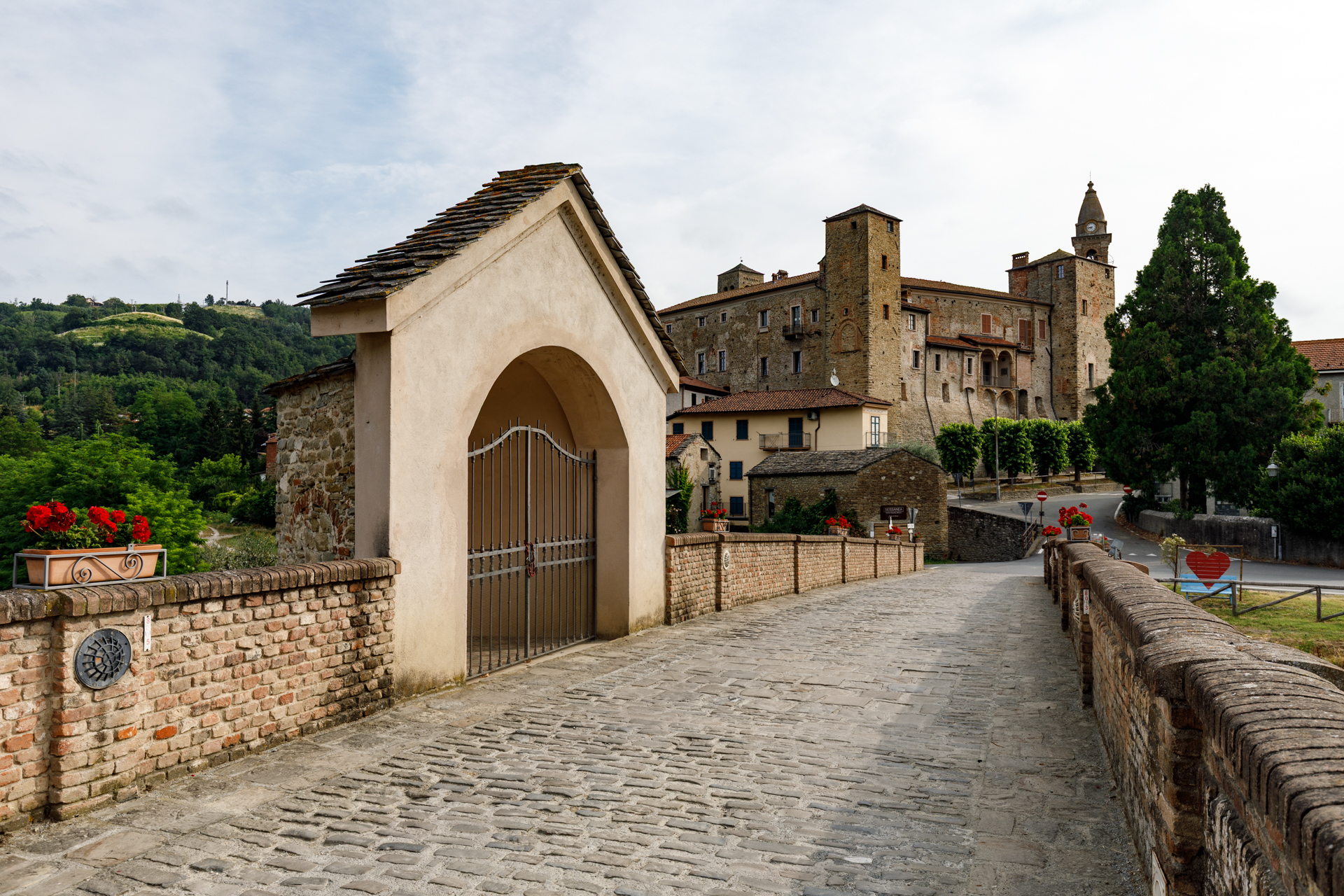
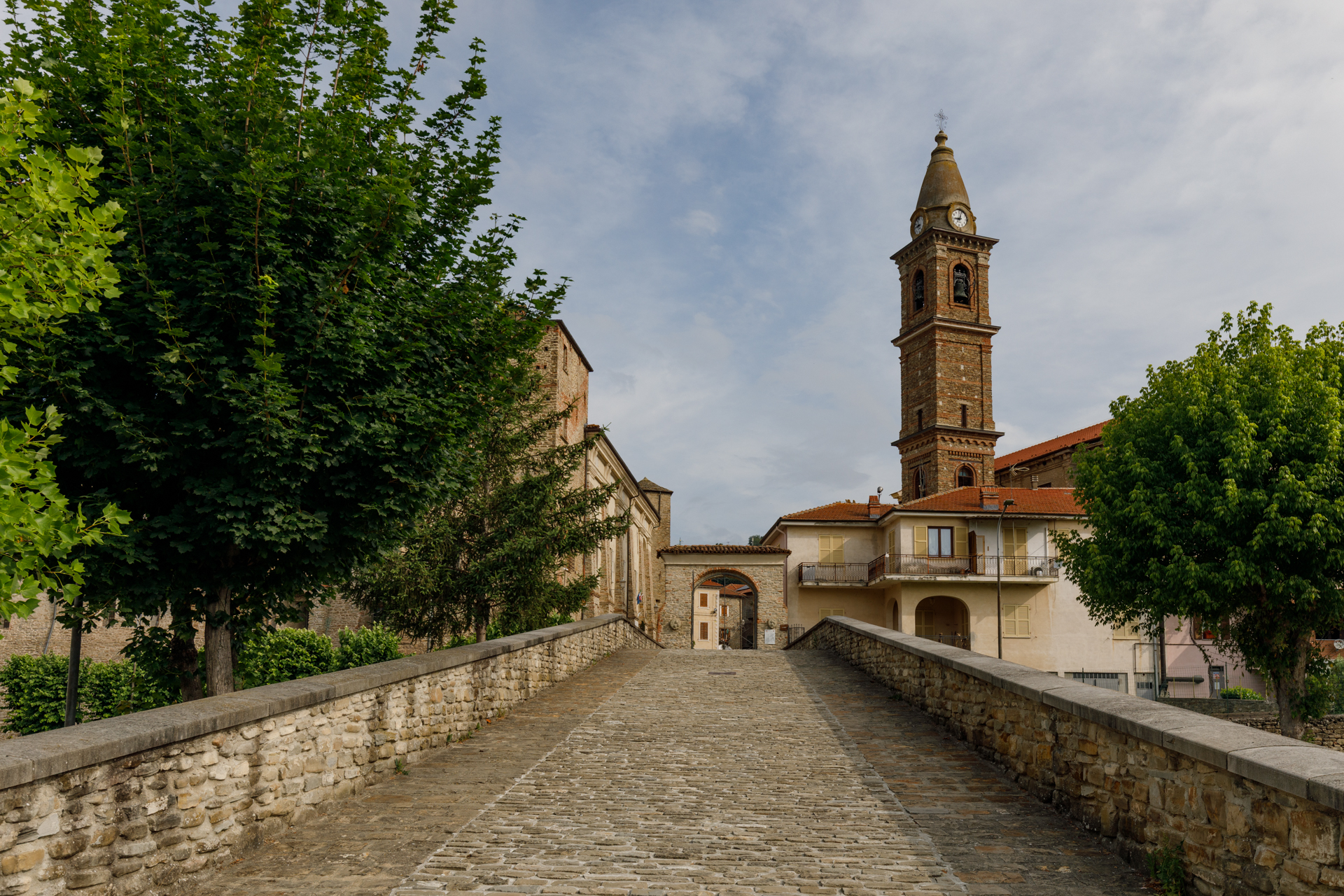
Water is a key part of the urban landscape here, marking the rhythms of village life. The most obvious symbol of the village is the Romanesque bridge, a simple, solid yet special line of stone spanning the river.
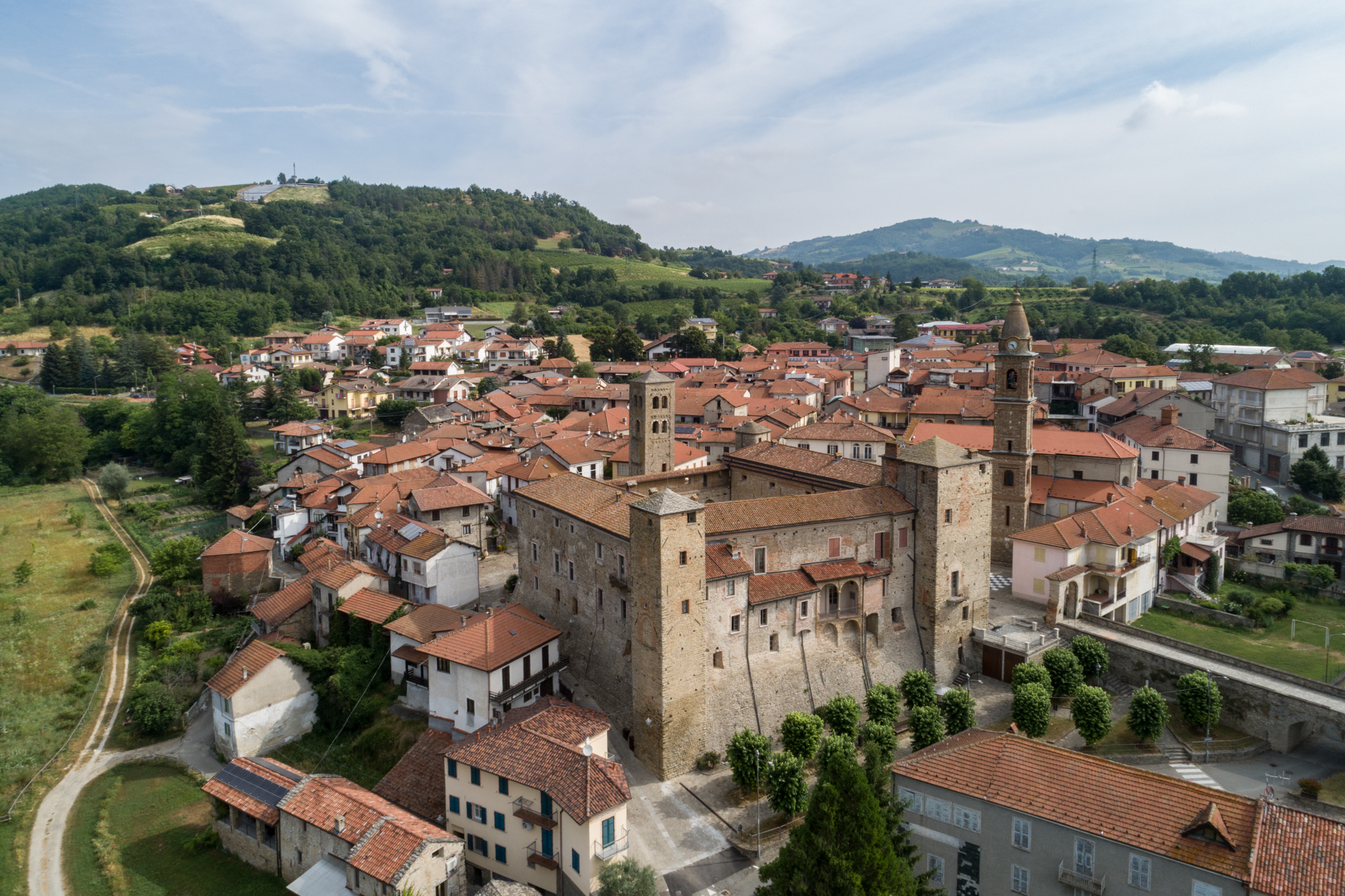
The centre retains its compact, functional feel: short alleyways, stone façades, and fleeting views of the river at the end of the street. Walking around, you get a sense of a village built around function rather than form.


The mediaeval mill embodies this reality, a place where water turned millstones and drove daily tasks, creating a palpable sense of place. Above it all rises the castle, dominating the town and acting as a reminder of Monastero Bormida’s strategic role in the valley. Its massive bulk demonstrates how this was once a contested land, where stone formed the defences and marked boundaries.
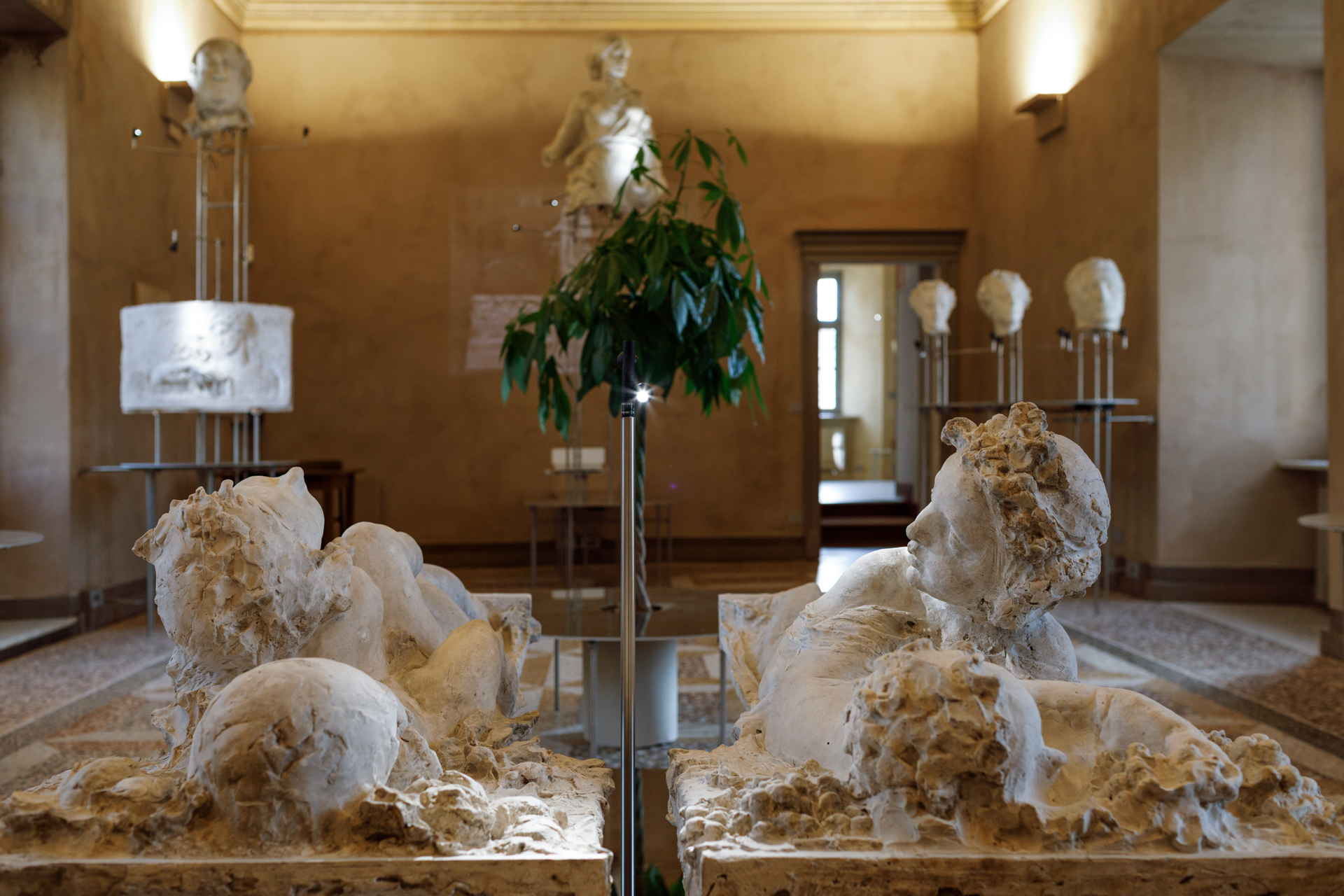
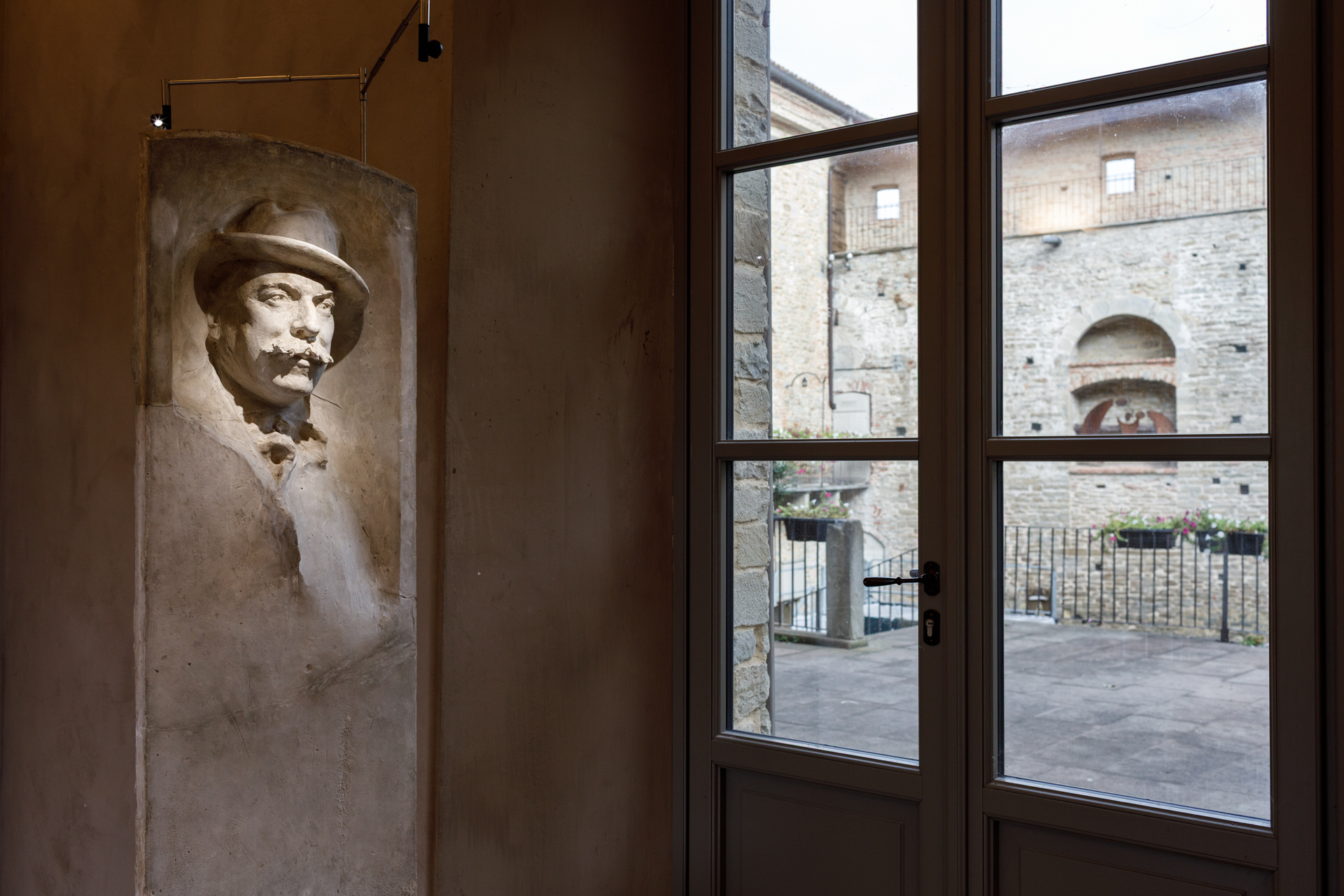
A contemporary touch is added to this historical setting: the Gipsoteca, one of the most recent museums in Piedmont hosting plaster works of art, which shifts the focus from the landscape and the stone to art and materials.