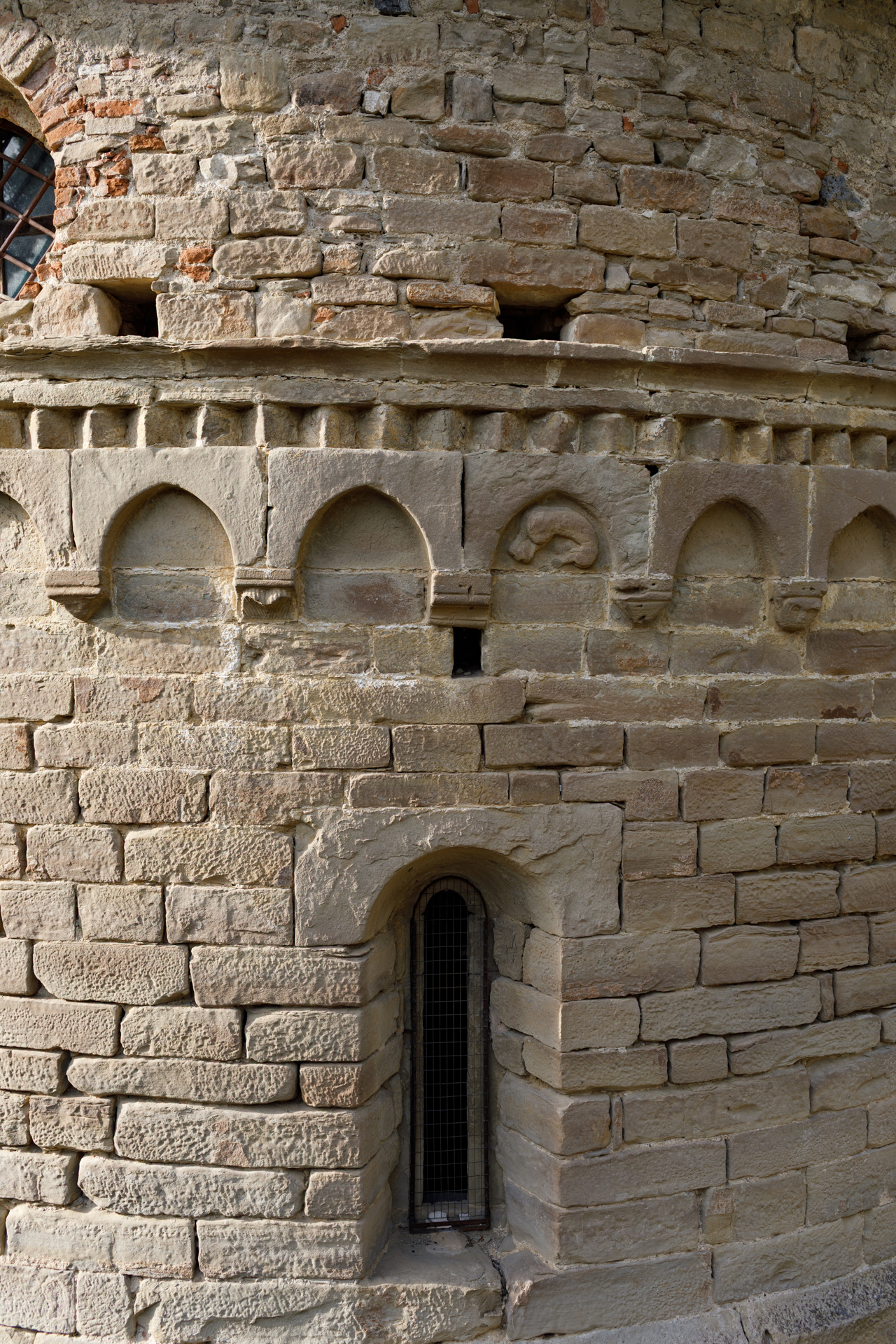
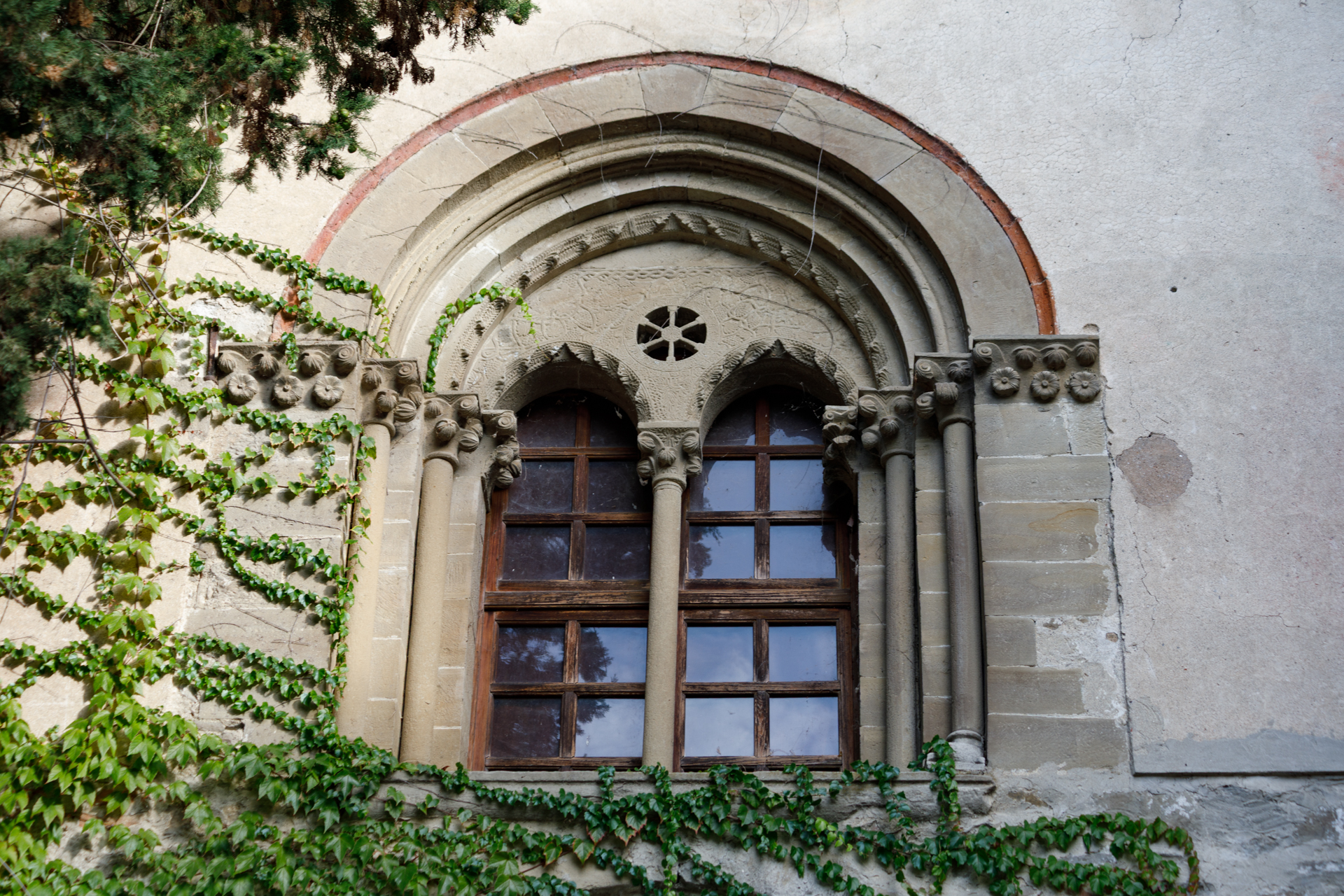
Cortemilia is a threshold. It holds together the valley, the hills, the river, the terraces. Its parish church is part of this ancient fabric, made of passages and roots.
The Pieve di Cortemilia is one of the places that help us understand the valley beyond its surface.
It is located in a center that has always served as a hub: between valley floors and hills, between commerce and countryside, between religious architecture and daily life.

Cortemilia has very clear geographical coordinates: it is a town of passage, but also of permanence. Geographical sources place its center around 44.58 latitude and 8.19 longitude.
Within this context, the parish church represents the oldest and most intimate dimension.
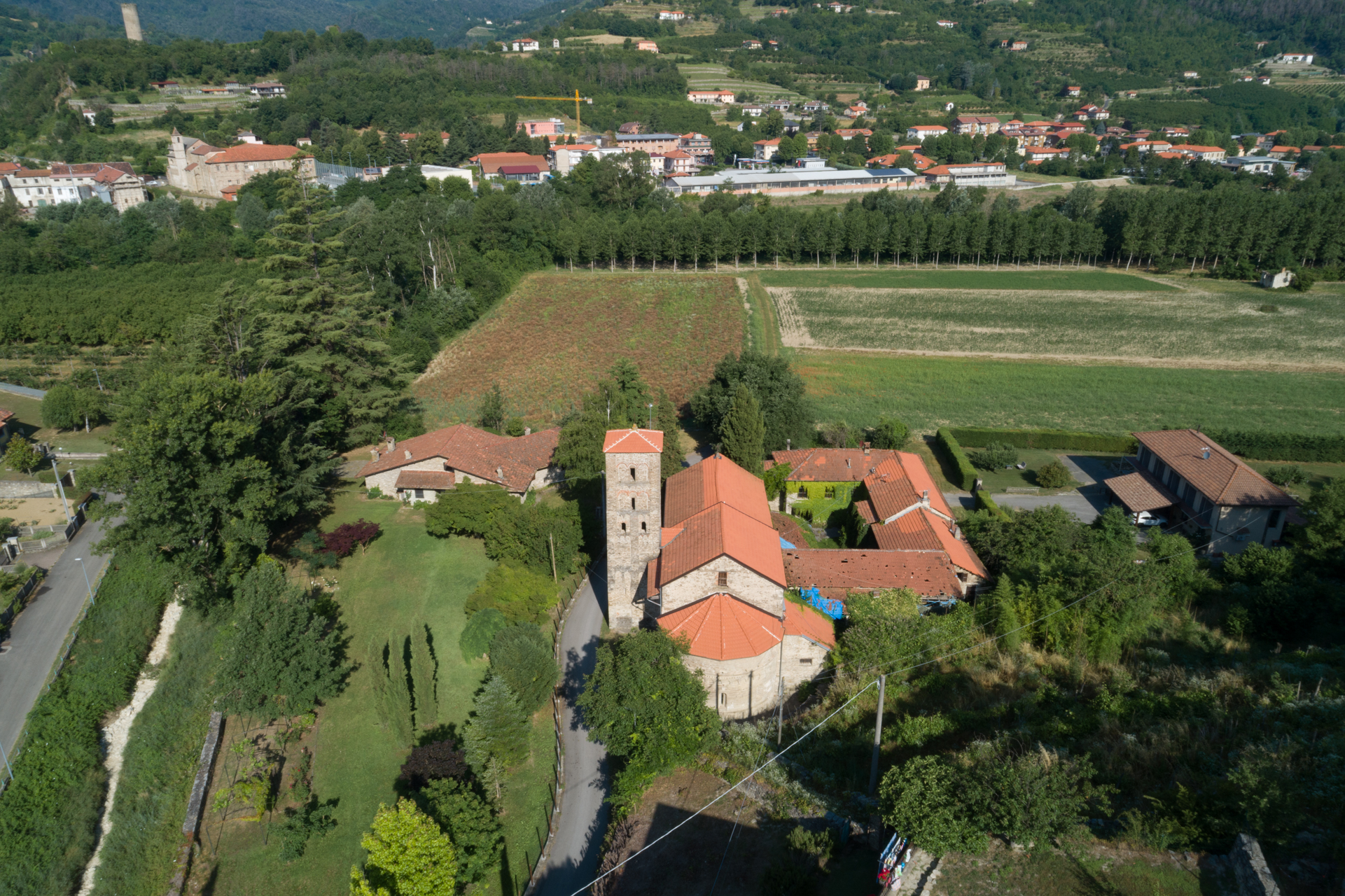
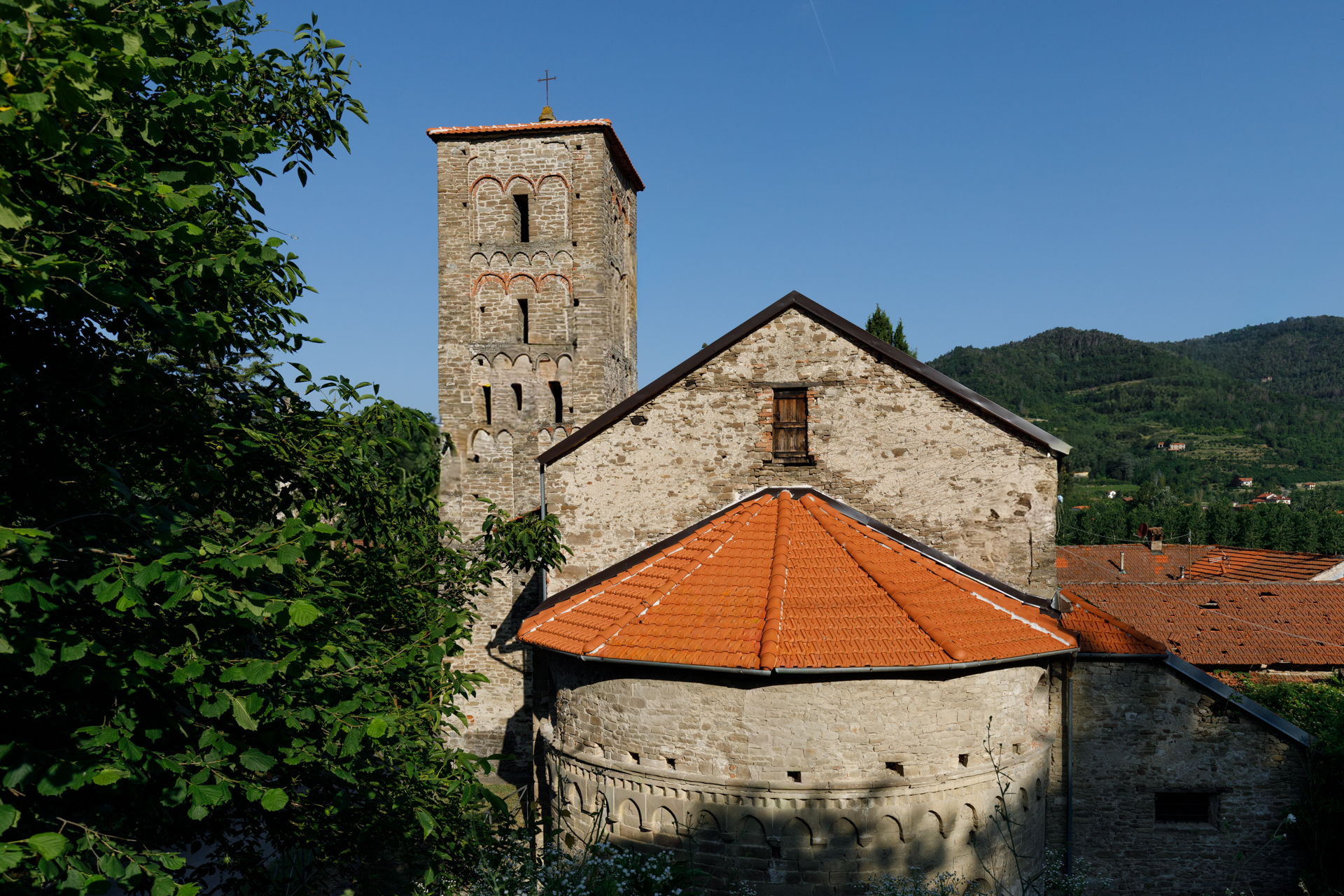
It works best when placed in relation to the surrounding landscape: the tower, the historic center, the river, Monte Oliveto, and the terraces. Cortemilia doesn't offer a single focal point. It offers a layered reading.
Here religious heritage meets the concrete rhythm of a lively country.
A market morning. An open shop. The scent of hazelnuts. The streets climbing the hill.
For its target audience of expats and new senior residents, Cortemilia holds a special value. It's one of the places where the habitability of the Bormida Valley is most evident: services, connections, central location, and the nearby landscape.
The parish church adds an element of depth to this dimension. It reminds us that quality of life also comes from the continuity of places, from the possibility of feeling part of a history that precedes and welcomes us.

For cultural travelers, however, it is a useful stop to understand the religious and architectural character of the valley.
A widespread, often minute, heritage that does not impose itself with large-scale apparatus but with a continuous presence.
Cortemilia should be crossed at a slow pace.
The parish church preserves a silent part of it. A part that belongs not to the rapid consumption of the journey, but to the memory of the territory.
In Cortemilia, history isn't confined to monuments. It flows through the streets, between the river and the hill.