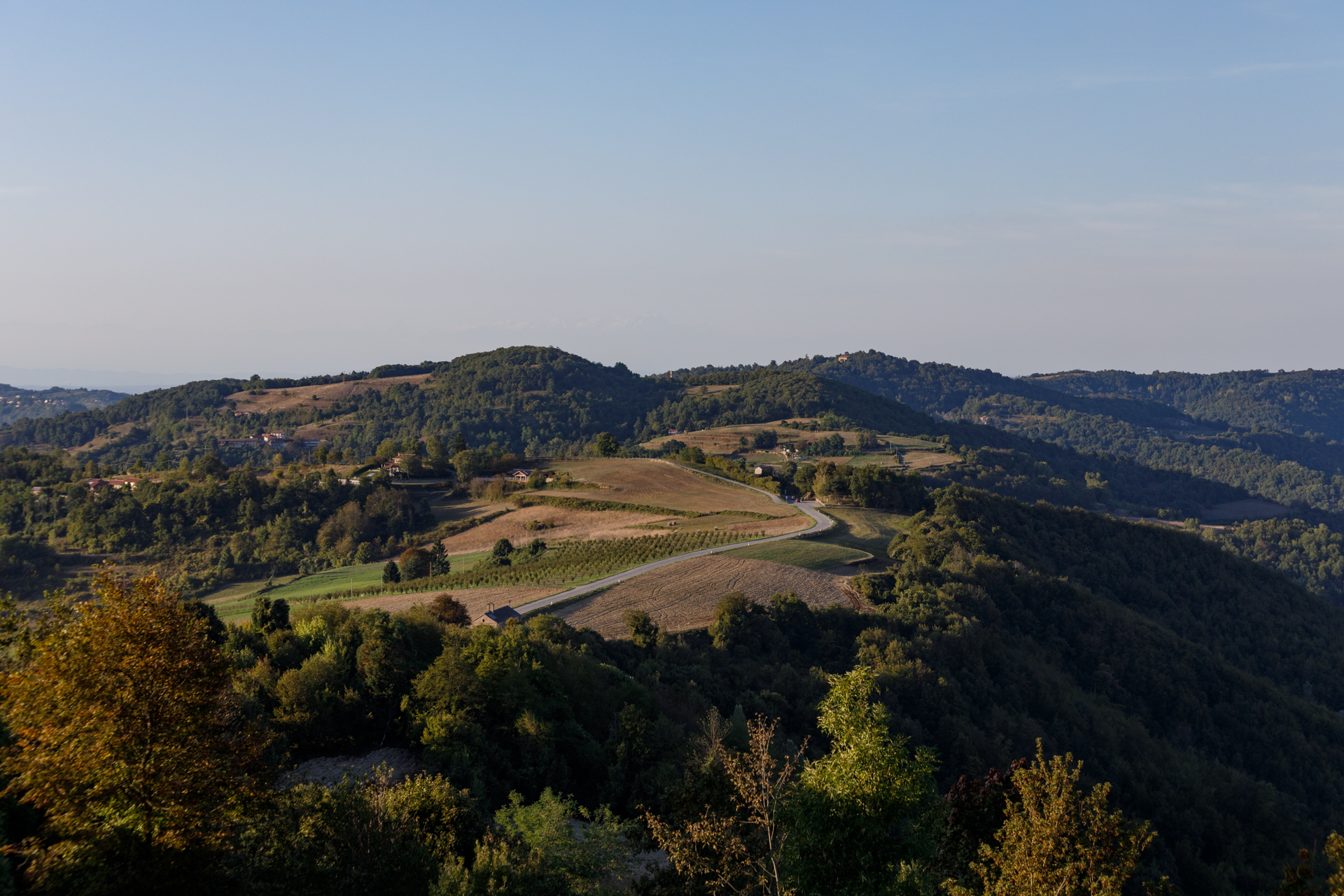
The Grande Traversata delle Langhe, also known as the GTL, isn't a single trail with a single start and finish. It's a network of stages and variants that traverse ridges, forests, villages, and rural roads, allowing each hiker to create their own journey.
In the Bormida Valley section, the route passes through towns such as Saliceto, Mombarcaro, and Cortemilia, all in the province of Cuneo, connecting stone villages, open hills, and natural environments that change rapidly in the space of just a few kilometers. Between Saliceto and Cortemilia, the GTL also retraces part of the historic Bormida Valley Trail, integrating it into a broader hiking system.
An itinerary to be built step by step
The strength of the Grande Traversata lies in its flexibility. Some stages can be done in a day, others combined to create a multi-day trek, with stops in villages and overnight stays along the way. The routes follow paths, dirt roads, old mule tracks, and ridge sections, alternating between forest passages and panoramic views.
There's no single way to tackle it. Those seeking a longer experience can complete multiple consecutive stages. Those who prefer a day out can choose a single section, balancing distance, elevation gain, and available time.


GTL signage accompanies the route with dedicated directions and the traditional red and white markings, but it's important to always consult the updated route and check trail conditions before setting out. The network is designed primarily for spring, summer, and autumn, roughly from March to November.
Among castles, hazelnut groves and woods
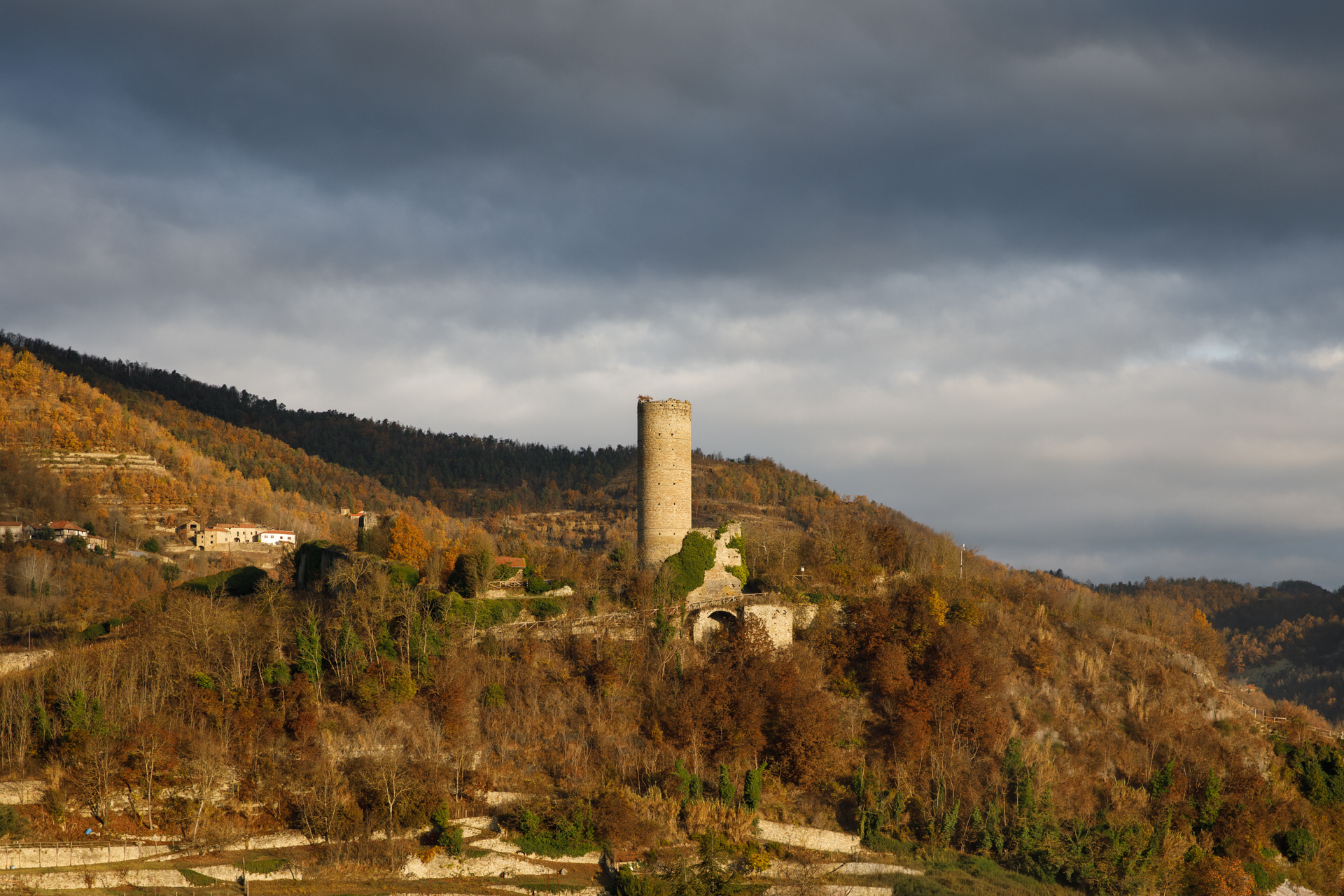
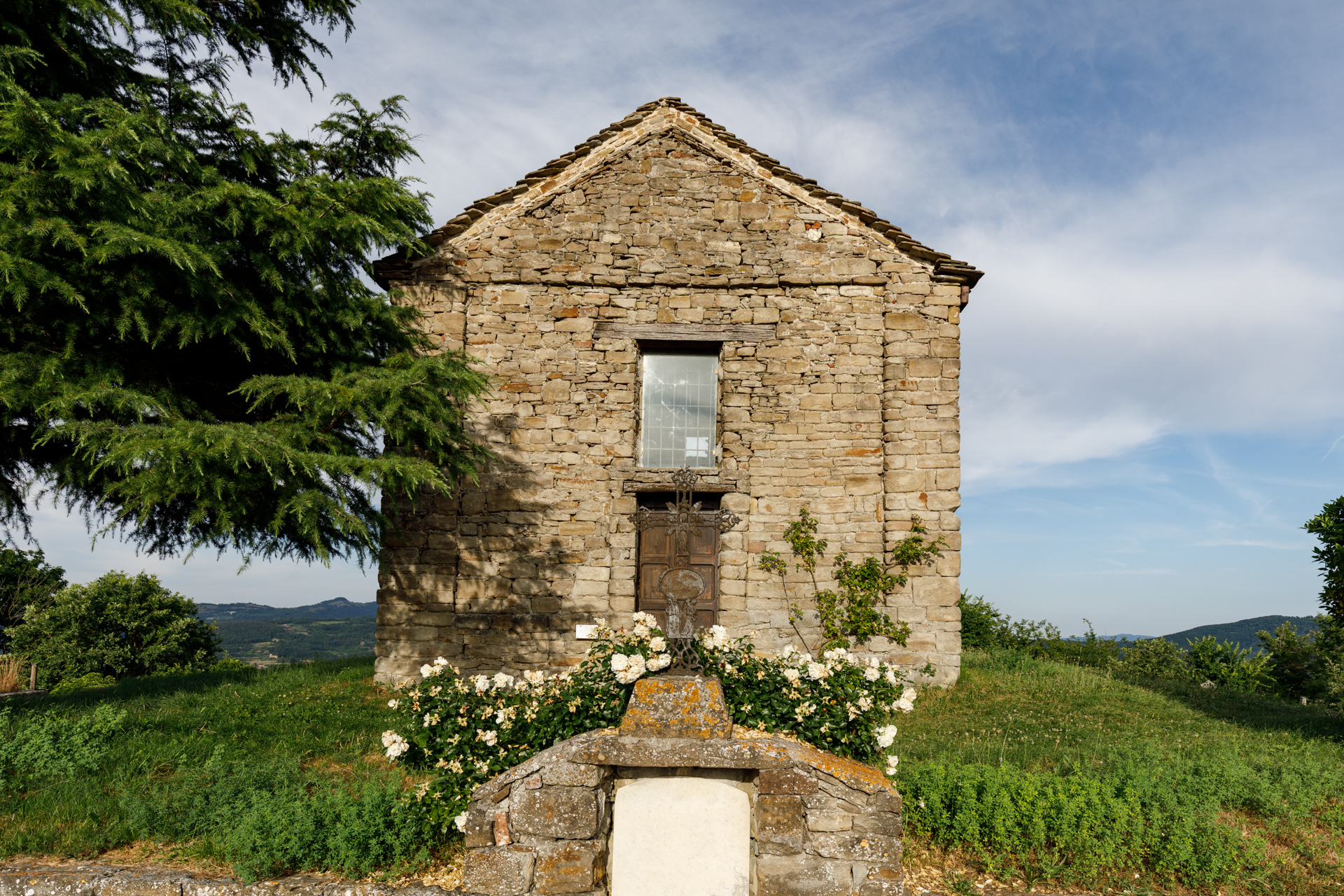
In this part of the Langhe, wine doesn't dominate the scene. The trail traverses a more secluded landscape, dotted with cheeses, hazelnut groves, castles, parish churches, and small towns that have remained close to their daily routine. The stretch between Saliceto and Mombarcaro leads from the historic architecture of the valley floor to higher altitudes, while the connection with Cortemilia introduces a landscape of terraced fields and hazelnut groves.
The GTL doesn't just connect places. It restores continuity to a territory fragmented into many small villages, showcasing what unites them: stone, agricultural work, paths, and a still direct relationship with the landscape.
The long time of the crossing
Walking the Grande Traversata delle Langhe means accepting that discovery comes through successive approaches. A climb through the woods, a tower appearing on the ridge, a fountain in the center of a village, lunch in a trattoria before setting off again.

The value of the experience lies not only in completing a stage. It lies in the time spent between one village and the next, in the unplanned stops, and in the opportunity to explore the highlands without rushing through them.
The Great Crossing offers just this: an open-ended narrative, to be followed for a few hours or several days, allowing each stretch to find its own rhythm.
From one village to another, the path stitches together the valley with the discreet thread of the paths.